 by
by “Does the training include ‘Melanin Neutralisation’ for Fitzpatrick skin types 4–6?” This is one of the big questions you ought to be asking before signing up to any cosmetic tattoo course – and I’m relieved you’re asking it.
As someone who’s been in the tattoo chair since 2006, let me tell you this: if your training doesn’t properly cover melanin-rich skin, you’re not fully trained. You’re just going to be patchily educated at best.
At Cosmetic Tattoo Studio Melbourne, we get clients from all sorts of backgrounds – and that’s how it should be. Melbourne’s pretty diverse – and so should your skillset. Working with different skin types, especially Fitzpatrick skin types IV-VI, isn’t some “advanced” technique – it’s essential.
And yes, melanin neutralisation is something that’s definitely part of that.
Contents
- 1 Undertones Change Everything In Cosmetic Tattooing
- 2 The Science Behind It (Simple Version)
- 3 How Skin Classification Guides Safer Treatment Decisions
- 4 Real Talk From The Treatment Room
- 5 What Separates Quality Education From Basic Courses
- 6 Hands-On Experience Matters
- 7 What The Treatment Journey Looks Like For Clients
- 8 Preparation And Aftercare That Protect Your Results
- 9 Mistakes That Lead To Corrections
- 10 Why Inclusive Skills Are Now Industry Standard
- 11 What Should You Expect From A Well-Rounded Course?
- 12 Final Thoughts
- 13 FAQ
- 13.1 Do All Cosmetic Tattoo Courses Teach You How To Work On Dark Skin?
- 13.2 Can You Skip Neutralisation If The Client Wants A Low-Key Result?
- 13.3 Why Do Some Clients Need To Come Back For Multiple Sessions Before Their Colour Looks Right?
- 13.4 Is Working On Darker Skin More Difficult?
- 13.5 What Happens If The Colour Heals Up All Wrong?
Undertones Change Everything In Cosmetic Tattooing
When you work with melanin-rich skin, pigment just doesn’t behave the same way as it does on fairer skin. Ignoring that and expecting things to work out okay is a recipe for disaster – you end up with ashy brows, grey lips, and uneven healing.
Melanin neutralisation is all about correcting and bringing the undertones back into balance – not just covering them up. It requires a deep understanding of colour theory, melanin levels, and how pigment will behave in the skin.
What Happens When Undertones Are Ignored?
In the day-to-day of running a studio:
- Brows will come out grey, cool, or even greenish-looking
- Lips can turn purple, get too dark, or just come out patchy
- Eyeliner will fade unevenly against the natural pigmentation of the skin
I’ve had to fix a lot of work that got botched by artists who didn’t know what they were doing. One client came to me after they’d had training that didn’t cover this stuff, and they ended up asking about a tattoo removal course because they’d realised they were way over their heads – and that’s a place no artist should ever feel like they’re in.
The Science Behind It (Simple Version)
Melanin density affects how pigment behaves in the skin and how the skin heals.
Without the proper technique, you can expect:
- Colour shifts to occur
- Healing to become uneven
- The risk of post-inflammatory hyperpigmentation goes way up
That’s why proper training includes a deep understanding of colour theory, skin assessment, and safe layering of pigment.
How Skin Classification Guides Safer Treatment Decisions
Not all darker skin tones behave the same way – and that’s where proper education really comes into its own.
The Fitzpatrick scale can give you a clue about how skin responds to the sun, trauma, and pigment placement – but in terms of treatment, it’s about more than just classifying skin type – it’s about actually applying that knowledge.
Quick Breakdown
| Fitzpatrick Type | Typical Skin Tone | Key Tattoo Considerations |
|---|---|---|
| Type 4 | Olive / light brown | Moderate melanin levels, risk of hyperpigmentation |
| Type 5 | Brown | Strong undertones require precise neutralisation |
| Type 6 | Deep brown/black | High melanin density, slower healing, and careful layering are essential |
Real Talk From The Treatment Room
At my place, before any treatment, I always take the time to do a full skin assessment:
- I want to know a bit about your skin history and any procedures you’ve had done before.
- We need to check out your natural pigmentation and undertones so we can get a good handle on what we’re working with.
- How your skin heals is another super-important factor.
- And I always look at the texture and sensitivity of your skin – it’s all part of the jigsaw.
Sometimes we need to do a few sessions just to stabilise the base before we can even think about adding colour – and that’s completely normal and totally to be expected.
What Separates Quality Education From Basic Courses
Not all courses are created equal – and this is where you need to start being a bit picky.
If a training program glosses over darker skin tones and just kind of tacks them on at the end – well, that’s just not going to prepare you for the real world and dealing with real clients
A Strong Course Will Include:
- Detailed skin classification and behaviour
- Colour correction principles
- Safe pigment layering techniques
- Healing differences across skin types
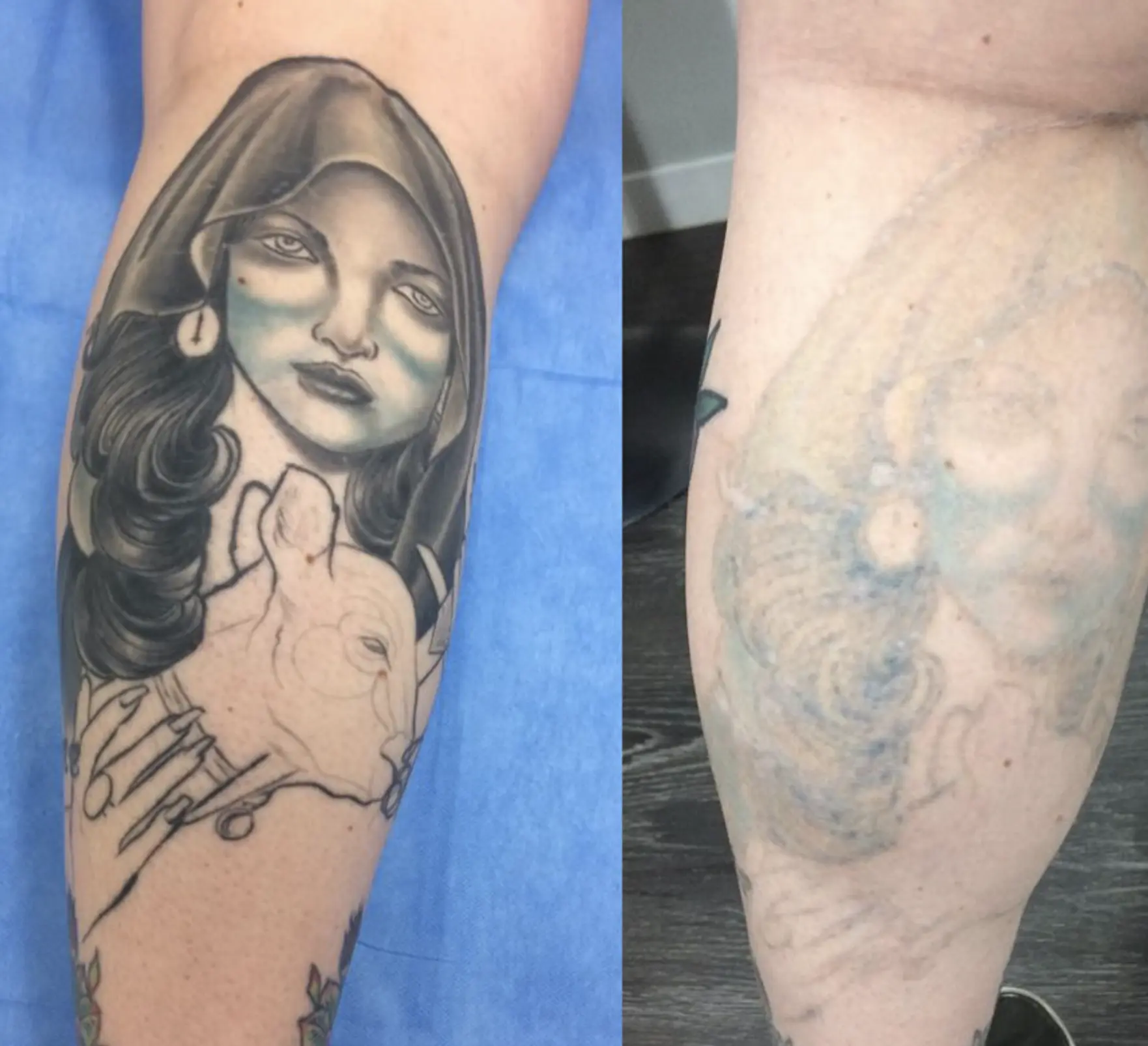
You’ll often see students jumping into trendy treatments like nano brows, but without understanding undertones, even the most advanced technique won’t heal well.
Hands-On Experience Matters
Theory is one thing, but getting in there and doing some real practice is a whole different story.
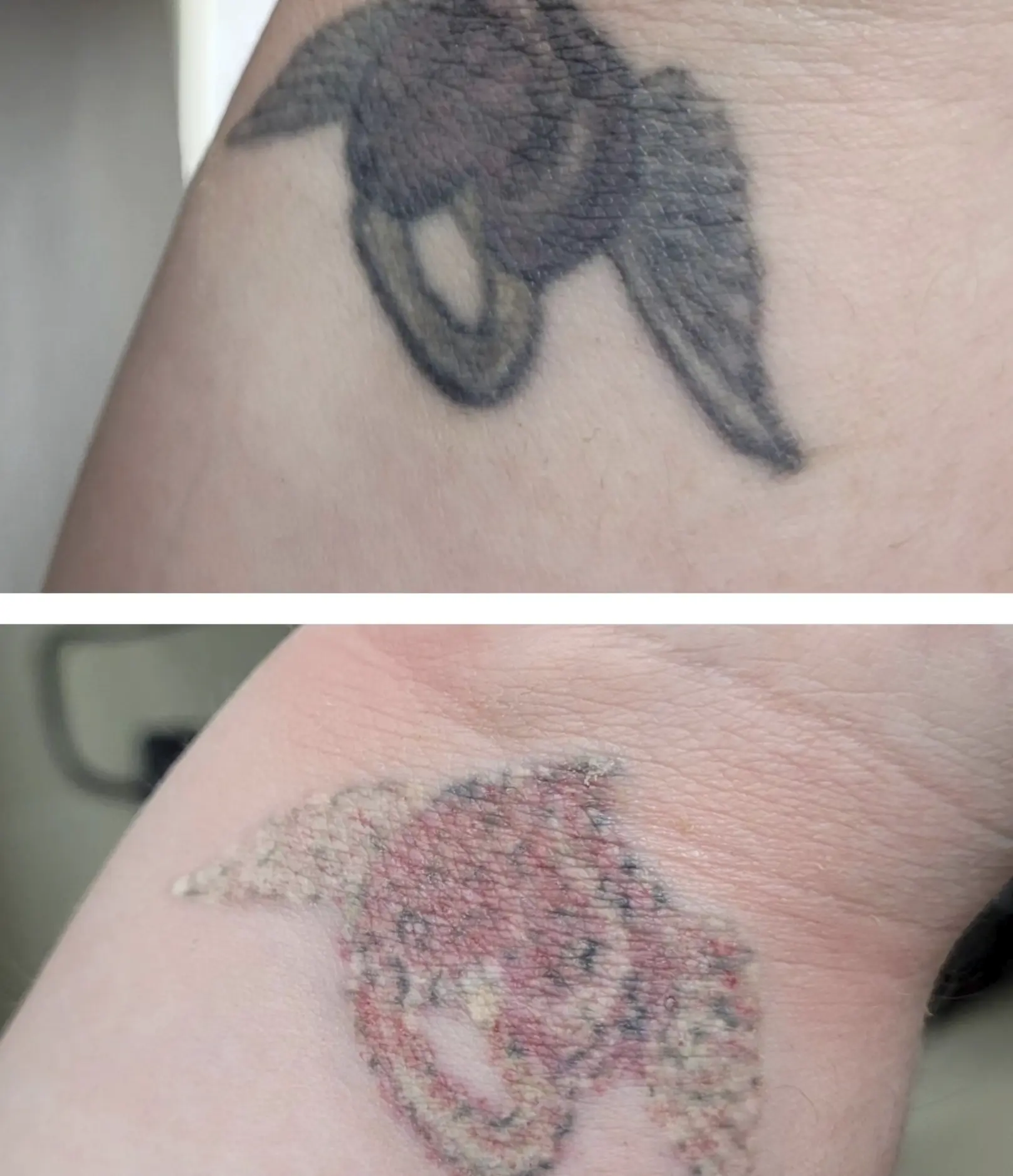
I meet a lot of students who later have to go off and do another course – like a laser tattoo removal training course or a tattoo laser removal course – because their original training didn’t prepare them to deal with fixing mistakes.
That’s just not the best way to start your journey.
What The Treatment Journey Looks Like For Clients
Working on melanin-rich skin always involves setting the right expectations. This is not a one-hit wonder, and it shouldn’t be presented that way.
For things like lip work, though, the process usually starts with a bit of a reset – getting the underlying tone balanced out. Once the skin has healed and settled, then we can refine the result and work towards a consistent finish. Only after that do we even start thinking about getting the colour right.
Spacing between sessions is really key here. Rushing just increases the likelihood of uneven healing or pigment retention issues. And in Melbourne, I also need to factor in sun exposure – especially after summer, because UV levels can really affect how the skin responds.
It’s always great when clients understand the process – because when they do, they trust you.
Preparation And Aftercare That Protect Your Results
Even the best technique won’t last if you don’t take care of your skin. So I always stress this stuff with my clients
Before treatment, I always recommend avoiding the sun and putting any active skincare, like chemical peels, on hold. Keeping the skin calm and balanced is the key to a good starting point.
After treatment, it’s all about protecting the area and allowing the skin to heal without interference. So it’s about keeping it clean, avoiding heat and sweating, and following my aftercare routine to the letter.
At Cosmetic Tattoo Studio Melbourne Face Figurati, I always remind my clients that it’s the healing process that really determines the result. When you just let the skin heal in peace, that’s when you get that beautiful, even finish.
Mistakes That Lead To Corrections
This is definitely the part nobody wants to admit, but it’s super important.
Common Issues I See All The Time
- Using the same old pigment on every single client that comes through the door
- Completely ignoring undertone correction
- Doing too much work on the skin – it’s a delicate thing!
- Making promises about results that are just plain unrealistic
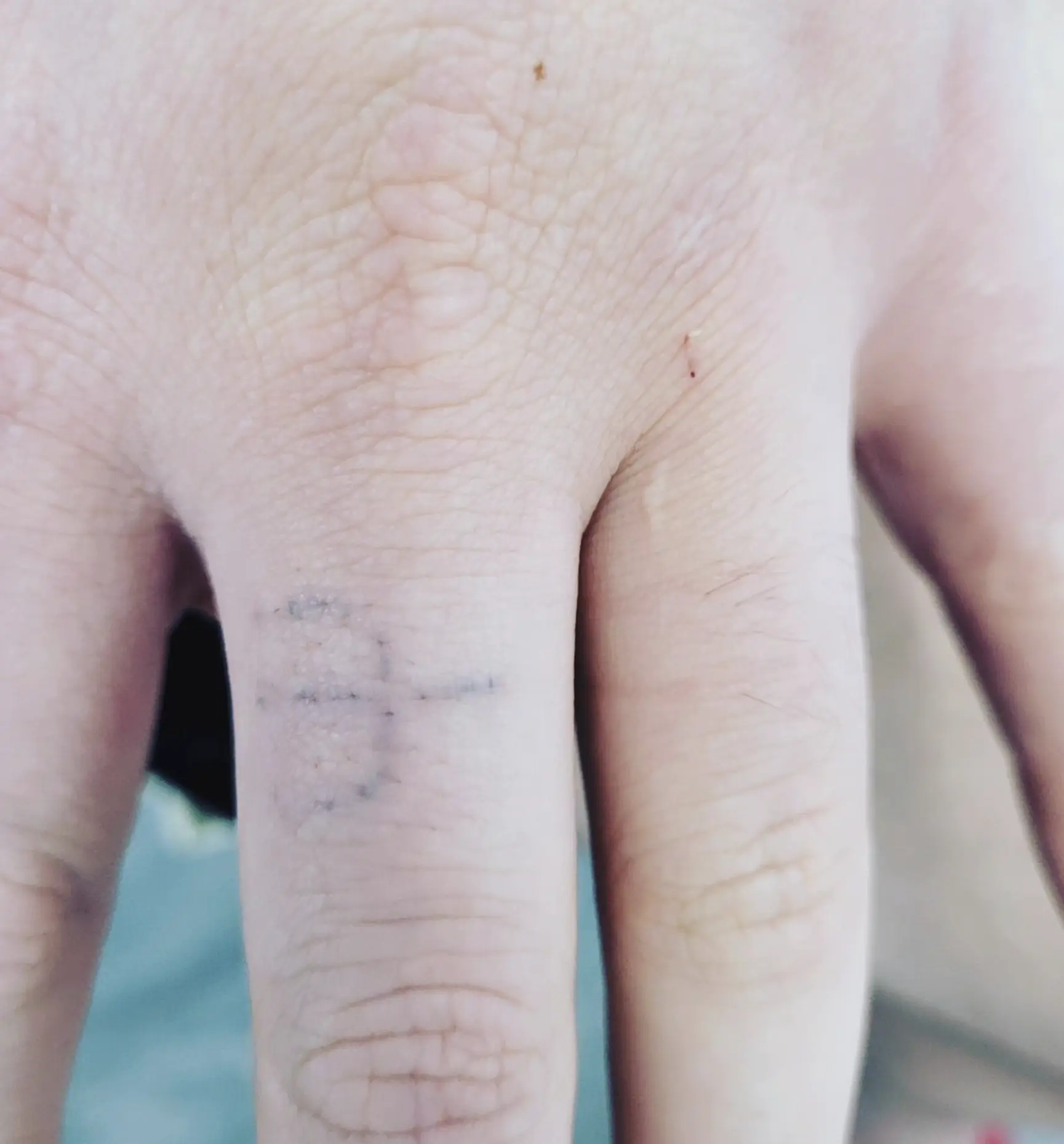
I’ve had some clients come in already researching tattoo removal courses because they were so fed up with their previous experience, and the results just didn’t cut it.
I’ve worked on some brow corrections that have taken multiple sessions to sort out – all because the original technician just didn’t take account of the individual client’s skin tone.
Why Inclusive Skills Are Now Industry Standard
Living in Melbourne means you’ll never just work with clients of one skin type – and that’s actually a good thing.
According to the Australian Bureau of Statistics, over 30% of Aussies were born overseas, so being able to work with all sorts of skin tones with confidence is pretty essential.
What Should You Expect From A Well-Rounded Course?
The short answer is: a comprehensive, practical and inclusive course that will really give you the skills you need.
At Cosmetic Tattoo Studio Melbourne Face Figurati, we focus on:
- Getting you real-world skills in skin assessment
- Teaching you all about safe pigment selection
- Showing you how to work effectively across all skin types
- Helping you to achieve long-lasting results – not just short-term fixes
Because, let’s face it, your work is a reflection of you – and your clients are putting their trust in you to get it right.
Final Thoughts
Choosing the right course is literally going to shape your entire career – it’ll affect your confidence, your results and the trust your clients have in you.
Before you sign up, ask some tough questions:
- Do they teach you how to do melanin neutralisation step by step?
- Will you get to practice on real clients with darker skin types?
- Do they cover correction and healing – not just how to get perfect results?
- Do they give you the skills you’ll really need in real life?
If you don’t get clear answers to these questions, then keep on looking.
Because in this industry, taking shortcuts just doesn’t get rid of the problems – they stick around for good.
FAQ
Do All Cosmetic Tattoo Courses Teach You How To Work On Dark Skin?
No, which is exactly why there’s a problem. Loads of basic courses focus on lighter skin types, which just leaves big gaps in real-world skills.
Can You Skip Neutralisation If The Client Wants A Low-Key Result?
Absolutely not. Skipping correction steps can lead to uneven or undesirable healing, especially in skin with high melanin content.
Why Do Some Clients Need To Come Back For Multiple Sessions Before Their Colour Looks Right?
Because building a stable base takes time – and rushing just leads to patchiness or colour distortion.
Is Working On Darker Skin More Difficult?
Not really – just different. With proper training, it becomes predictable and safe.
What Happens If The Colour Heals Up All Wrong?
Yeah, that’s a problem. Correction is possible, but it often takes multiple sessions – or even removal. That’s why proper training from the word go is so important.