 by
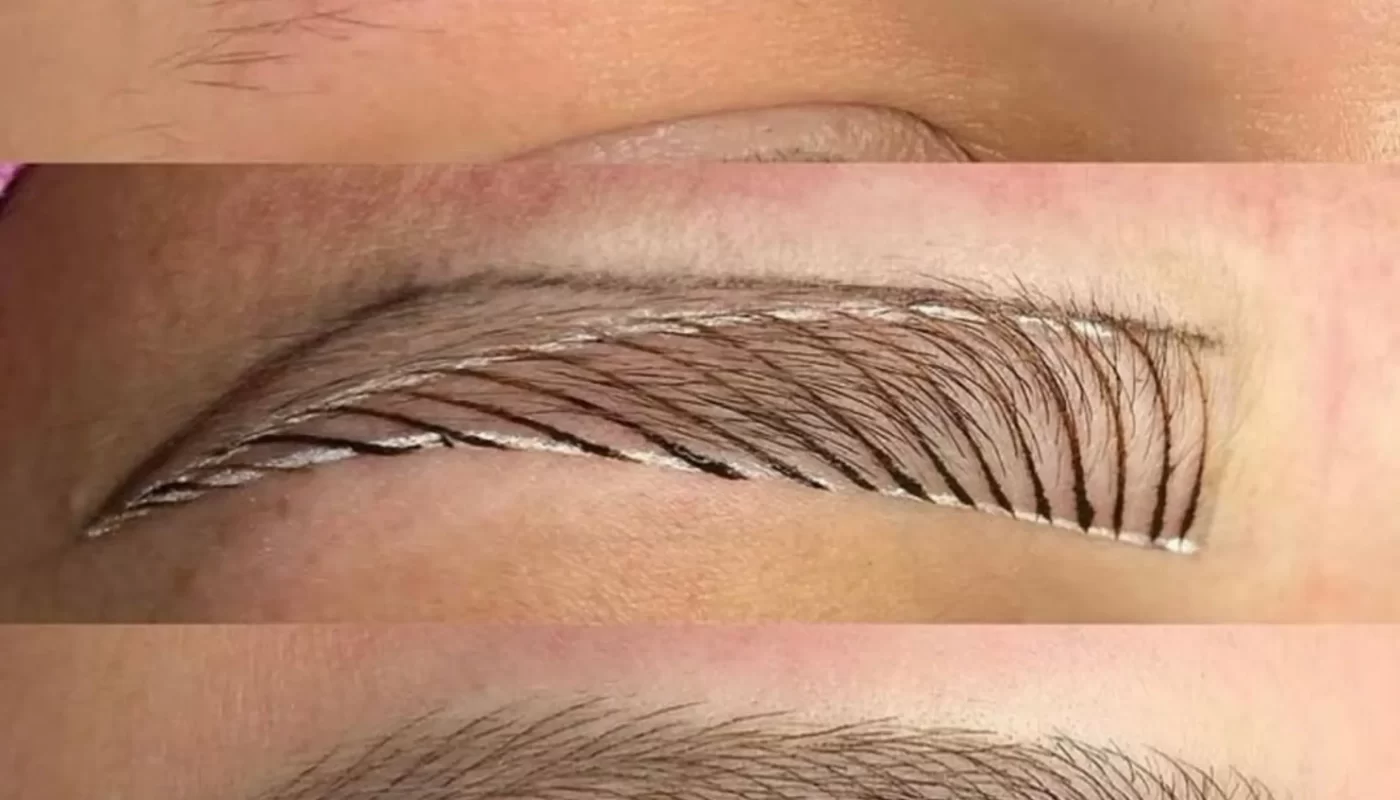
by I get asked this all the time in my Melbourne studio: Do eyebrows continue to grow after microblading? The short answer? Yes, they do — unless you’ve got a medical reason affecting eyebrow growth. Microblading enhances your brow shape without interfering with natural hair follicles or natural brow hair. But as with most cosmetic procedures, the long answer covers the healing process, skin type considerations and how eyebrow hairs and pigment interact over time.
I’m Olha Po, founder of Cosmetic Tattoo Studio Melbourne Face Figurati, and I’ve been perfecting eyebrow microblading since 2016. As a cosmetic tattoo artist and certified technician, I’ve worked with hundreds of clients — from first timers curious about Melbourne microblading to those refining their powder brows or hair-like strokes after previous treatments. In this guide, I’ll explain how microblading affects brow hair, what happens during the healing process and how different skin types impact pigment retention.
Contents
How Brow Hair Grows
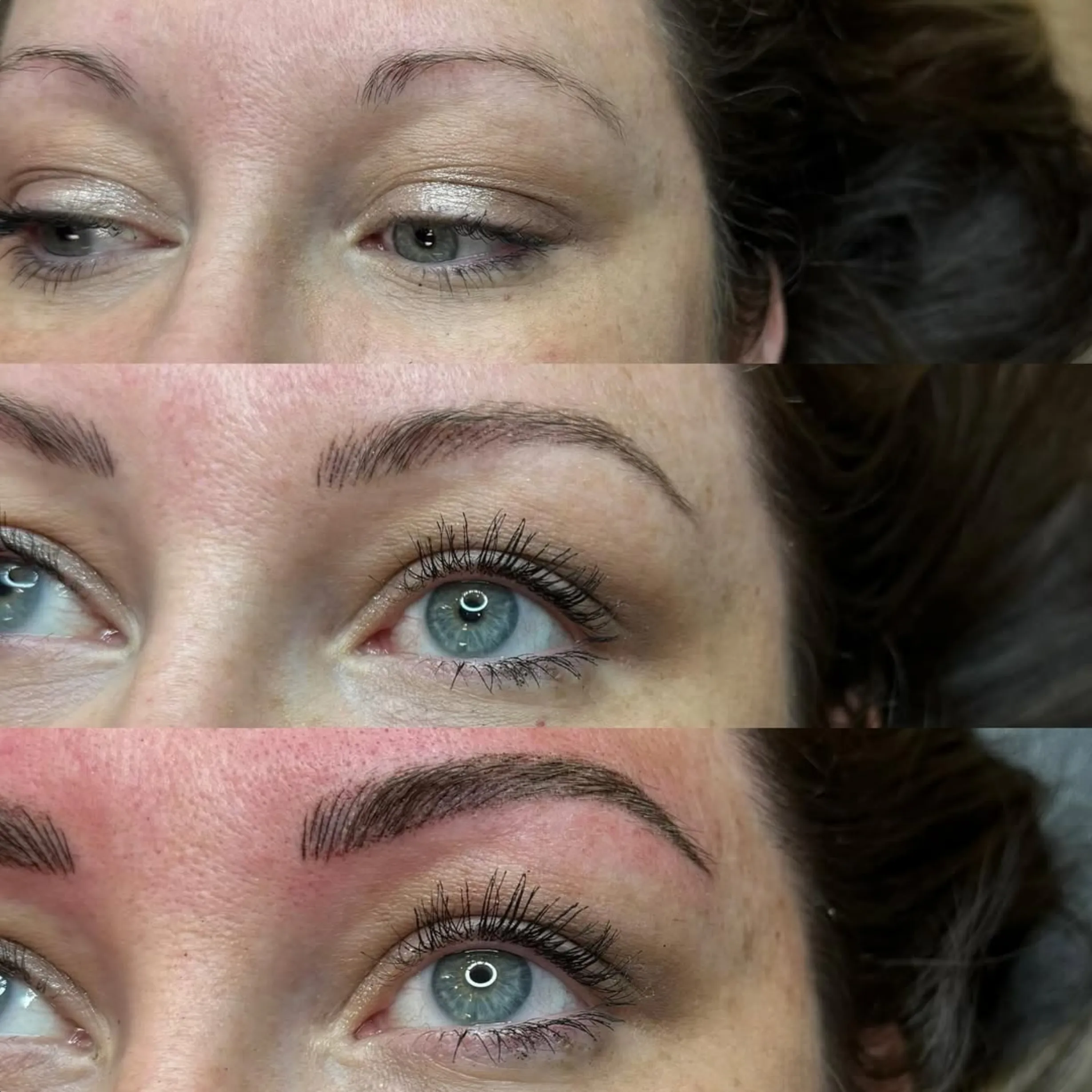
Brow hairs have a natural cycle — anagen (growth), catagen (transition), and telogen (rest). Even after a microblading treatment, your natural eyebrows will continue to follow this cycle. Hair follicles are left intact during the microblading eyebrows procedure because microblading techniques work in the upper dermis and never reach the root.
- The microblading hand tool deposits pigment into the skin’s surface.
- Natural hair follicles are left untouched, meaning natural brow hair will continue to grow.
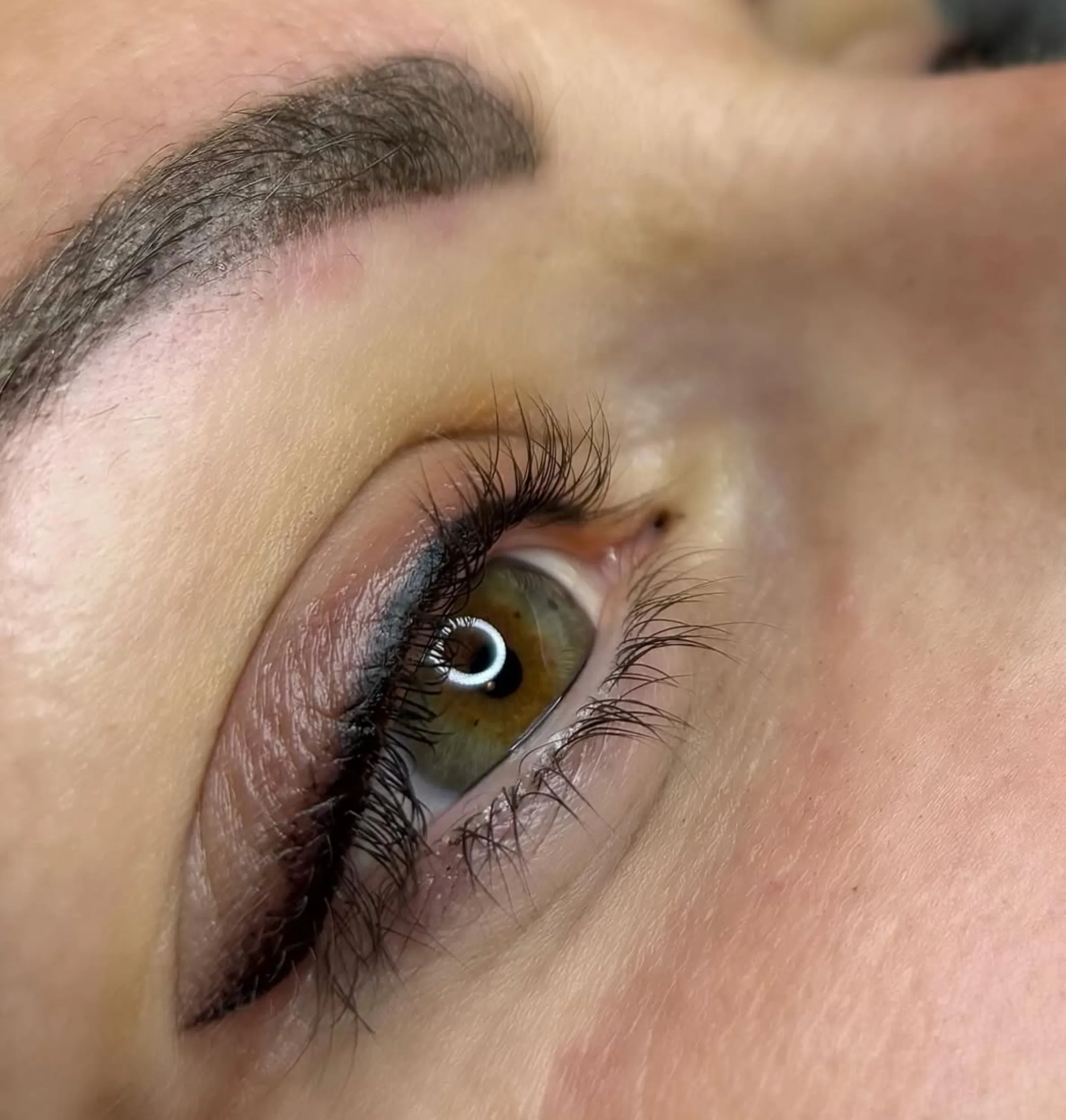
- Microblading results blend with existing eyebrow hairs, improving the brow shape while keeping natural-looking results.
Why Microblading Doesn’t Stop Eyebrow Growth
During Melbourne microblading, I use hair strokes to mimic natural eyebrows. The semi-permanent treatment works on the skin level only, so the natural brow hair and follicles are healthy. This means:
- You’ll still need to groom occasionally.
- The healing process is crucial for pigment retention and colour retention.
- Skin type will affect how long your pigment lasts and whether you may see colour change over time.
Important: Neither wet healing nor dry healing will stop eyebrow growth — they will only affect how well the pigment heals.
How Skin Type Affects Microblading Results
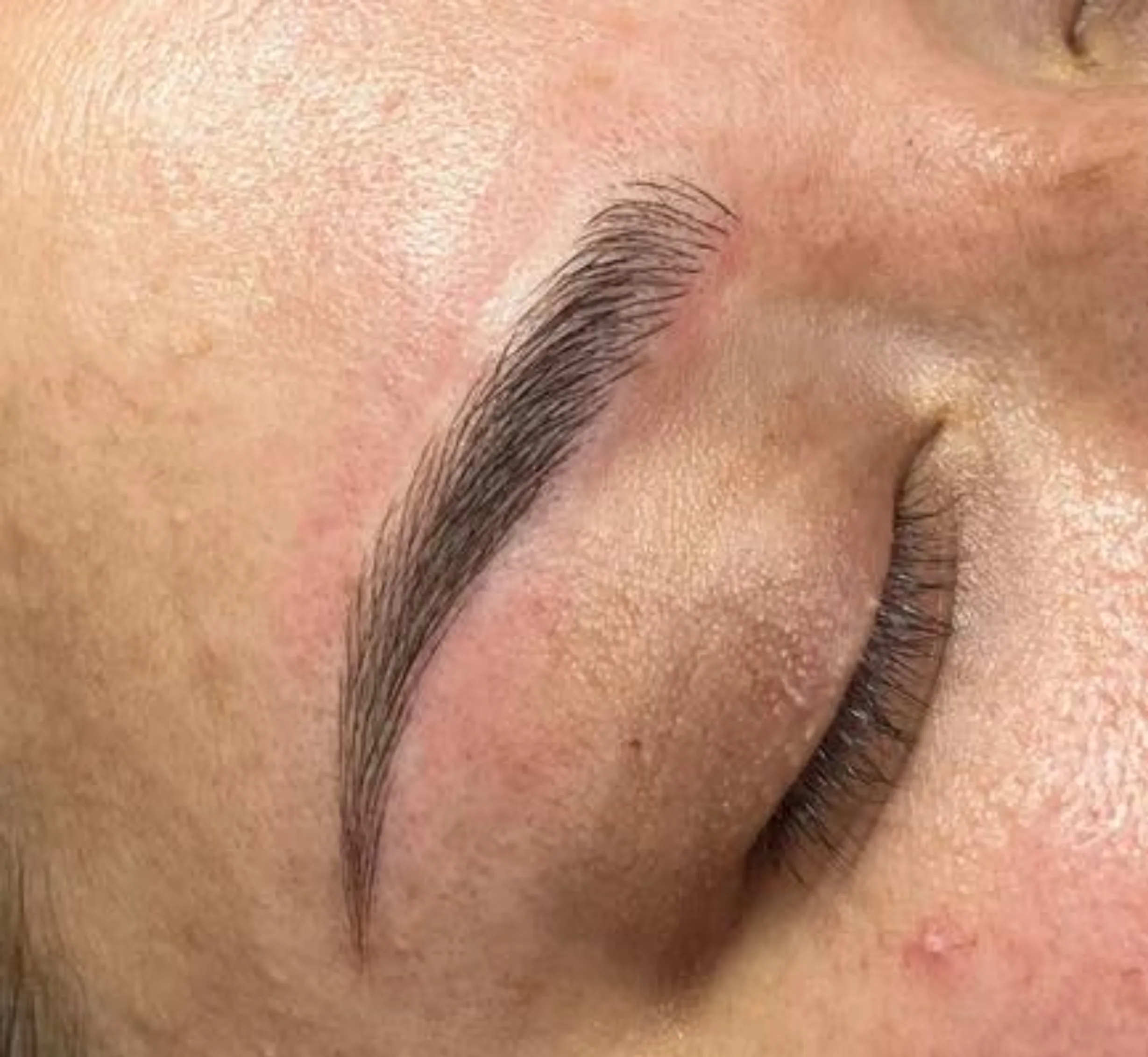
Oily skin types will see faster pigment fade, dry skin will hold pigment better, and combination skin types will fall in between. Knowing your skin type will help your microblading artist choose the right shade and technique for colour retention.
If you have scar tissue, autoimmune disease, or recent dermal fillers near the brows, healing time and pigment behaviour will vary. In my Cosmetic Tattoo Studio Melbourne Face Figurati, I always assess these factors during your consultation.
The Healing Process Step-by-Step
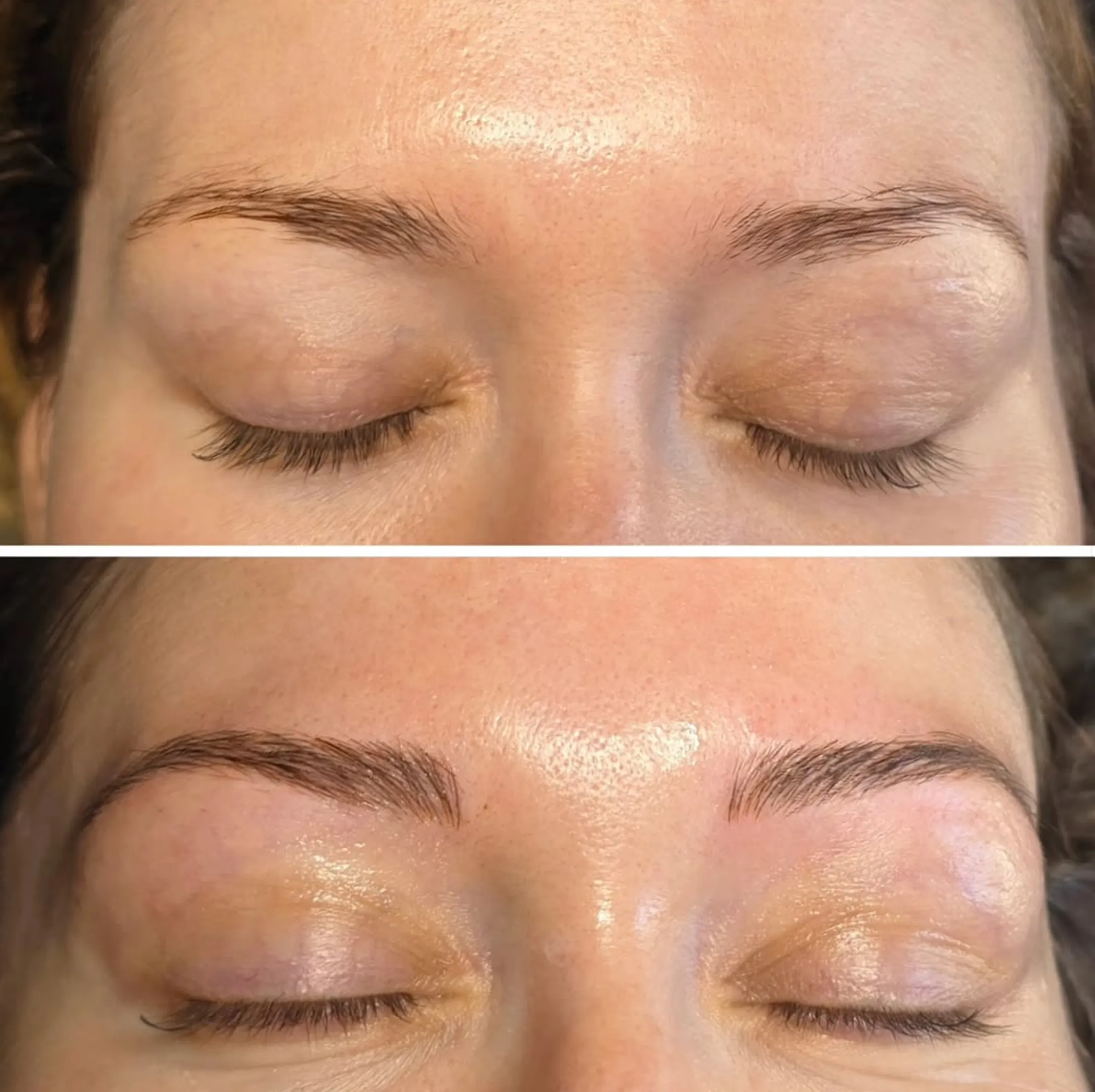
The healing process after microblading takes 4-6 weeks, most clients are ready for a touch up at the 6-8 week mark.
- Days 1-3: Brows look bold; pigment is fresh.
- Days 4-7: Scabbing may form; don’t pick.
- Days 8-14: Pigment may look lighter — this is normal during skin renewal.
- Weeks 3-6: Colour settles; touch-up appointments will correct any colour change.
During healing, avoid harsh beauty products and only use sterile water when cleaning to preserve the protective barrier.
Natural Brow Hair + Cosmetic Tattoo = Perfect Blend
When done correctly, microblading will enhance your natural brow hair with realistic hair-like strokes. Powder brows or the combination technique can be used for fuller results. The microblading process works with your brow growth to maintain balance and density.
- Keep the area moisturised with approved products.
- Don’t wear makeup over brows until fully healed.
- Book regular touch-up appointments for long-lasting, natural-looking results.
Brow Growth Facts Table
| Factor | Microblading Impact | Notes |
|---|---|---|
| Hair follicles | No damage | Stays intact during cosmetic tattoo |
| Eyebrow growth | Unchanged | Natural cycle continues |
| Pigment retention | Skin type dependent | Oily skin may fade quickly |
| Colour change | Possible over time | Correct with a touch-up appointment |
| Thickness | Fuller appearance | Hair strokes + natural brow hair create density |
When Growth Might Change
Microblading itself doesn’t change natural hair follicles, but eyebrow hairs can thin due to:
- Autoimmune disease
- Hormonal changes
- Over-plucking
In these cases, semi-permanent makeup like cosmetic tattooing or powder brows can fill in.
Final Thoughts
So — do eyebrows grow back after microblading? Yes. The semi-permanent treatment enhances what you already have without harming natural follicles. At Cosmetic Tattoo Studio Melbourne Face Figurati, we customise every microblading technique to your skin type, healing process and desired brow shape for long-lasting pigment retention and natural results. And for those who want to learn the craft, our microblading course teaches you the skills and techniques for perfect brows.
FAQ
Can microblading damage natural brow hair?
No. A certified microblading artist works on the surface of the skin, not in the hair follicles.
Which skin types get the best pigment retention?
Dry to normal skin types generally retain pigment better than oily skin.
What’s the difference between hair strokes and powder brows?
Hair strokes mimic natural follicles; powder brows create a soft, filled-in makeup look.
Can colour change over time?
Yes. Pigmentation can fade or warm up; colour correction at a touch-up appointment will fix this.
Do dermal fillers affect the microblading process?
Yes, dermal fillers near the brows can change skin texture; discuss timing with your microblading artist.