 by
by Ever wondered what the best speed is for fine line tattooing? We get asked this question all the time at Cosmetic Tattoo Studio Brisbane Face Figurati. And it’s a good question — because machine speed affects how your tattoo heals, how crisp your fine lines stay and how much skin trauma your body experiences. In this guide, Olha Po shares both professional knowledge and real-life experience so you can walk into your appointment feeling confident, not confused.
Contents
- 1 Why Machine Speed Matters
- 2 Machine Speeds for Delicate Tattooing
- 3 Factors That Influence the Right Speed
- 4 Healing Outcomes and Speed
- 5 Brisbane Conditions and Skin Response
- 6 Common Myths About Tattoo Speed
- 7 What To Expect During Your Session
- 8 Aftercare Trumps Speed
- 9 Studio Story: A Speed Adjustment That Saved the Day
- 10 Learning Through Training
- 11 Final Thoughts and Friendly Advice
- 12 FAQ
Why Machine Speed Matters
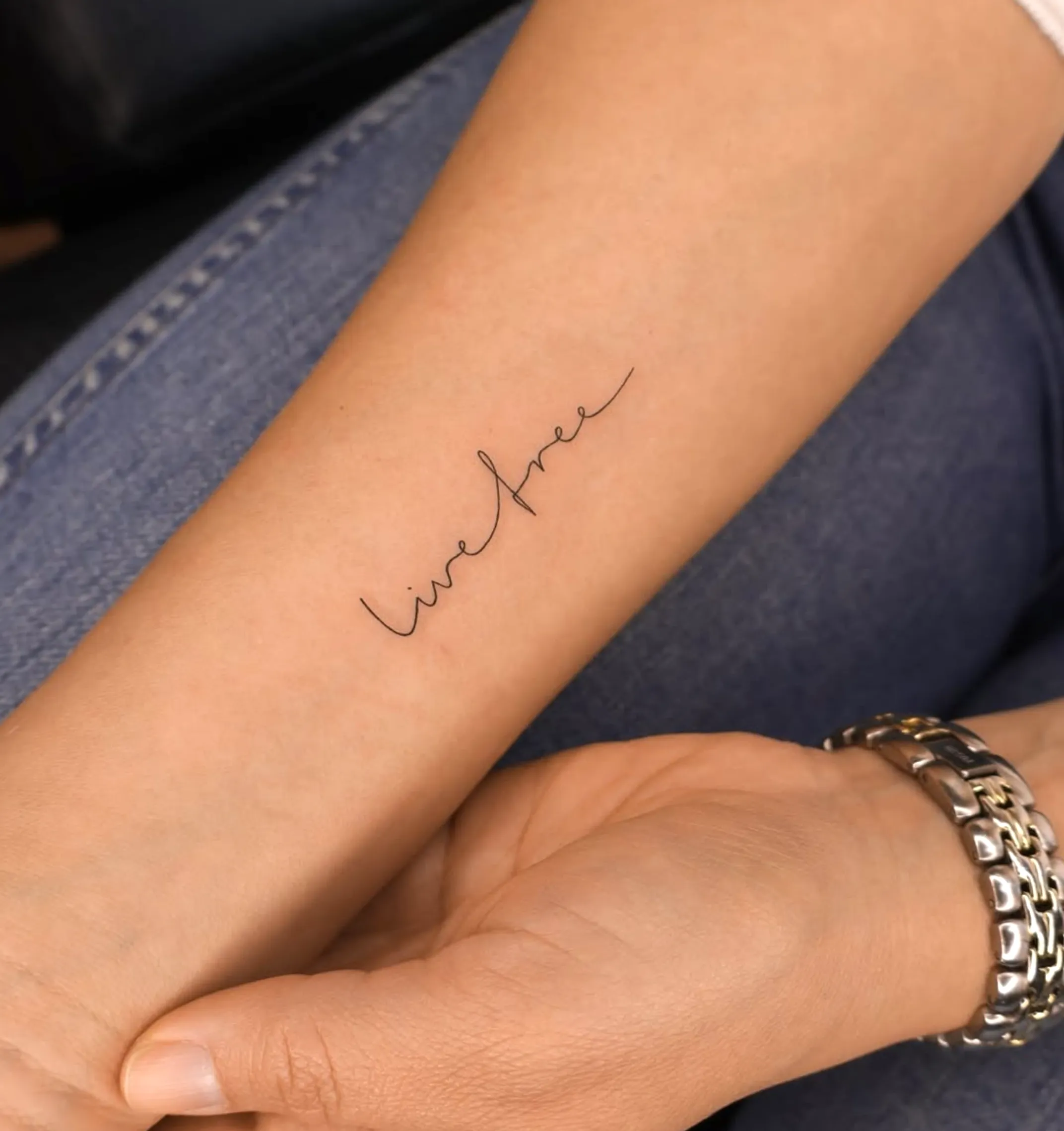
Choosing the right machine speed isn’t just about how fast the machine buzzes — it’s about precision, control and skin safety. Machines operate at different Hertz (cycles per second), and small changes can make the difference between a soft, clean line and a blowout that spreads under the skin. As every fine line tattooist knows, balancing needle depth, stroke length, and hand speed is part of the art of tattooing.
When speed is too high, the needle penetration can cause unnecessary trauma, especially on thinner or more sensitive skin types. Too low and the pigment won’t implant evenly, and you’ll get incomplete lines or patchy ink deposits. In Brisbane’s humid climate, where skin can be oilier and prone to swelling, getting this balance right is even more important.
Machine Speeds for Delicate Tattooing
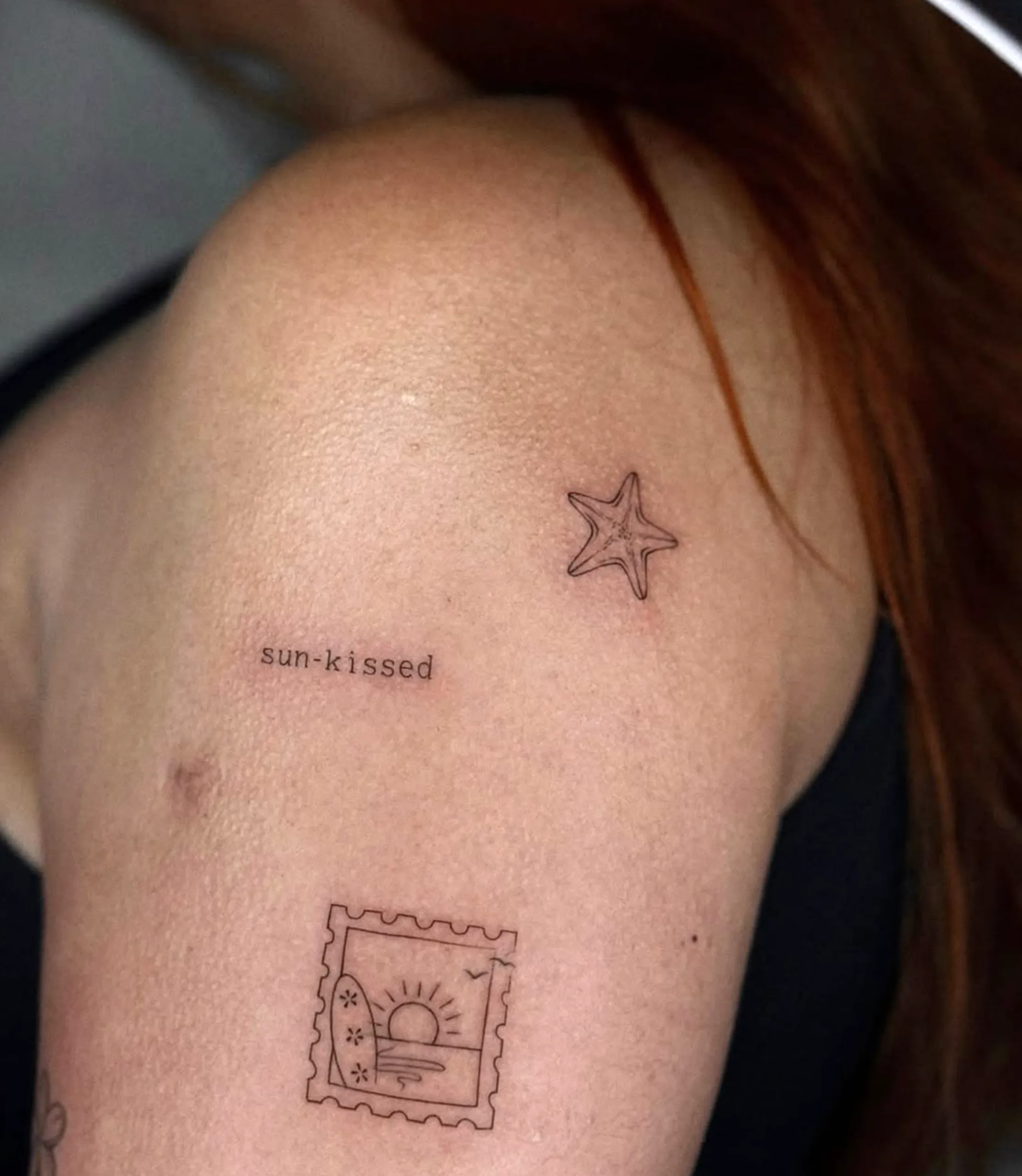
Work is too slow and shallow, and the pigment won’t hold, requires more touch ups. Fine line tattooing generally works best at mid to low machine settings. Unlike bold body tattoos, where higher speeds help with colour packing or filling in large areas, fine line and permanent makeup tattoos need finesse. Here’s a breakdown:
| Tattoo Style | Suggested Speed Range (Hz) | Why It Works |
| Cosmetic Brows (nano/line) | 70–100 Hz | Allows crisp strokes without overworking the skin |
| Lip Blush (fine passes) | 80–110 Hz | Gentle layering that avoids trauma and uneven healing |
| Lash Enhancement (eyeliner) | 60–90 Hz | Precision in delicate eyelid skin |
| Body Fine Line Tattoos | 90–120 Hz | Balances clean detail with pigment retention |
Remember: these are guideposts, not hard rules. Skin type, age, and sensitivity all change the equation. For example, oily skin in Brisbane summers might tolerate slightly faster speeds, while mature or thin skin requires slower, gentler machine operation.
Factors That Influence the Right Speed
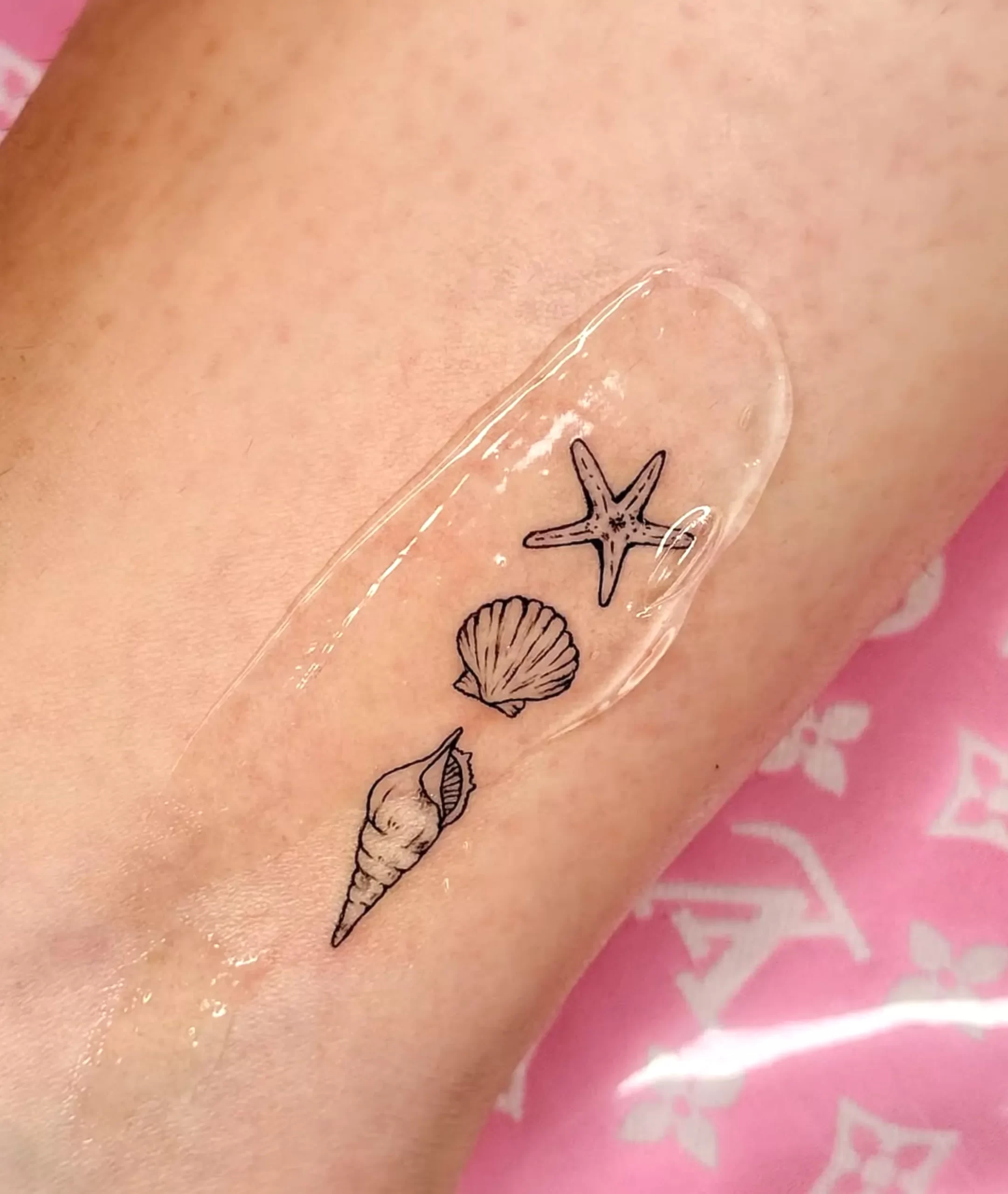
Every face and body tells a different story, so there’s no single “perfect” number. Here are the biggest variables:
- Skin type: Oily or resilient skin usually allows faster speeds; thin, dry, or sensitive skin needs slower passes.
- Age: Mature skin is more delicate, often calling for reduced machine settings.
- Placement: Eyelids demand caution, while brows have more flexibility.
- Needle configuration: A single nano needle or smaller needle group requires different handling than larger needle cartridges for shading.
- Desired outcome: Hair-stroke brows need precision; shaded brows can handle slightly higher speeds.
Olha Po recalls a client with extremely sensitive eyelids who bruised easily. By lowering the machine speed and working with a lighter hand, the ink deposited healed beautifully — a thin lash line tattoo that still looked fresh months later.
Healing Outcomes and Speed
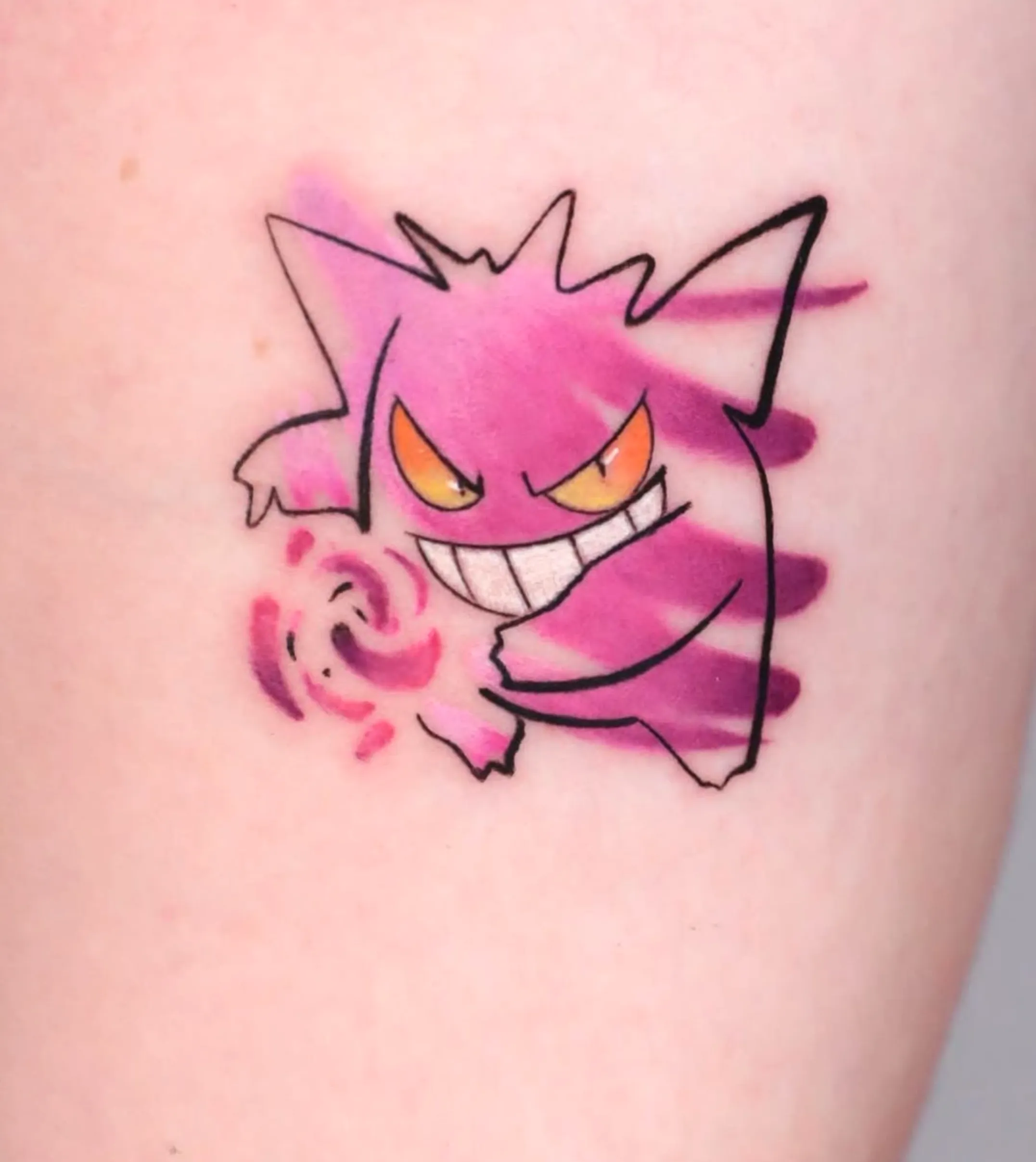
The healing process depends heavily on how well speed and technique align. Work too fast and deep, and you may see scarring, excessive ink flow or pigment migration. Work too slow and shallow, and the pigment won’t hold, requiring more touch-ups.
A typical healing timeline looks like this:
- Day 1–3: Slight redness and swelling; lines may look darker and sharper.
- Day 4–7: Flaking begins; fine lines soften in appearance.
- Week 2–3: Skin regenerates; tattoo may look lighter or patchy.
- Week 4–6: The True healed result reveals itself.
The right tattoo depth and speed reduce trauma, meaning less scabbing and smoother long-term results.
Brisbane Conditions and Skin Response
Living in Brisbane means dealing with heat, humidity and plenty of UV exposure — all factors that influence cosmetic tattoos. Clients who sweat more, spend time outdoors or swim often may experience fading quickly. In these cases, artists might choose a slightly higher speed with very controlled ink flow to ensure pigment holds without overworking the skin.
We’ve also seen how office workers in air-conditioned environments experience drier skin, which can be more fragile. For these clients, slower speeds paired with gentle layering and solid aftercare advice work best.
Common Myths About Tattoo Speed
- “Faster is better.” Not true. Higher machine settings can blur fine lines if paired with too much needle depth.
- “Low speed means no pain.” Pain is more about technique, anaesthetic and needle penetration than speed alone.
- “All machines are the same.” False. Rotary machines, coil machines and pen-style tattoo machines all behave differently.
Olha Po has fixed many tattoos where artists relied on speed alone. Often, the issue was ignoring how stroke length and ink deposit interact with skin trauma. Correction work is sometimes the only option.
What To Expect During Your Session
From your chair, machine operation and adjustments aren’t something you’ll notice much — but you will see the results. A skilled fine line tattooist slows down for fragile skin and speeds up for tougher areas. Techniques like stipple shading or layering are used with purpose, not guesswork.
We also explain what’s happening as we work. For example, if you hear the tattoo machine slow down when we’re working near your lash line, that’s on purpose. Communication builds trust, and clients often tell us they like knowing each adjustment has a reason.
Aftercare Trumps Speed
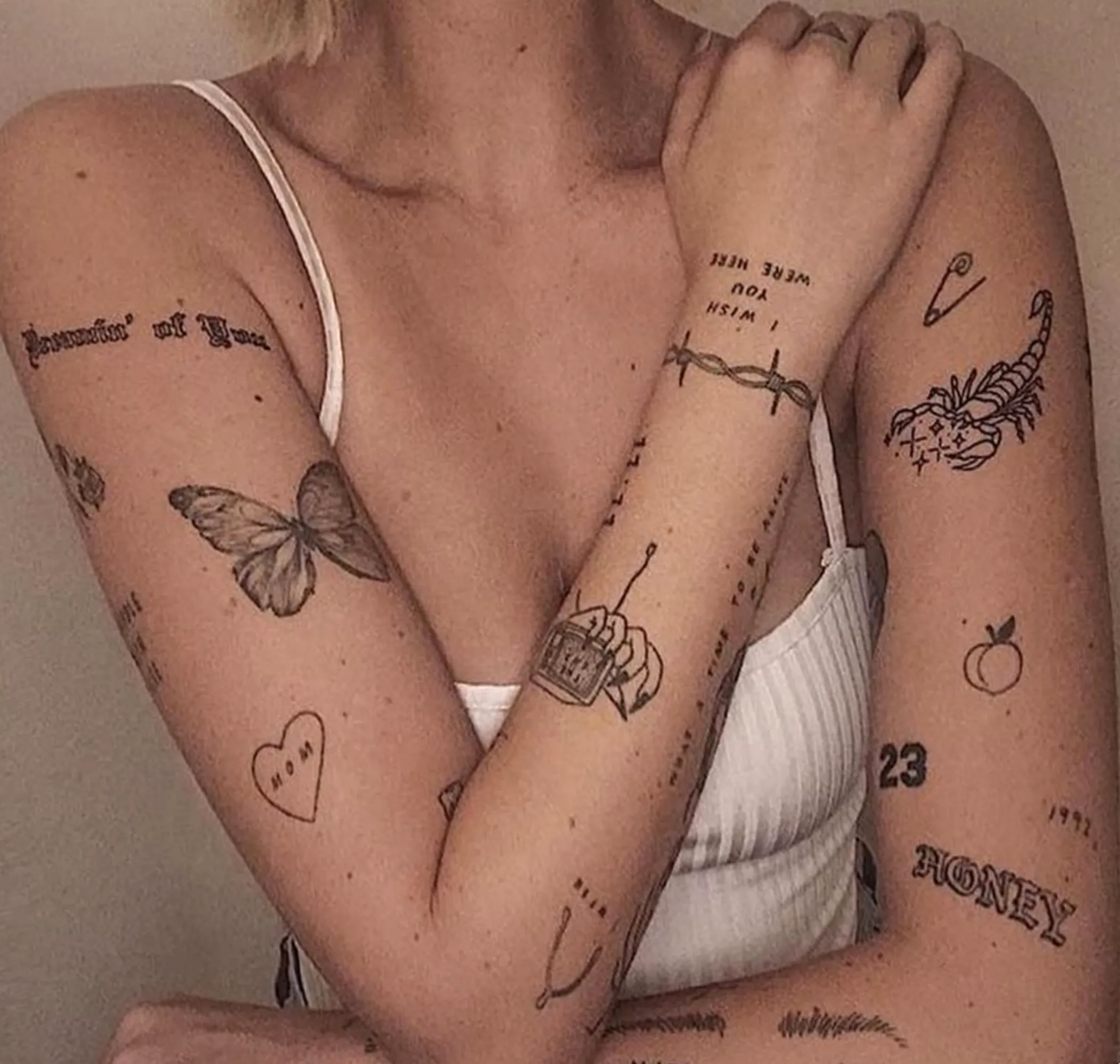
Even the perfect machine settings won’t save a tattoo if aftercare is ignored. Brisbane clients often juggle beach trips, gym sessions and outdoor events — all of which can compromise healing. We remind everyone:
- Keep the area clean and lightly moisturised.
- Avoid swimming, sweating and sun exposure for at least 10 days.
- Don’t pick at flakes or scabs.
- Follow your artist’s aftercare plan exactly.
In fact, a 2024 Australian survey found 72% of poor healing outcomes were due to aftercare mistakes, not artist error. That’s a big reminder that what you do after leaving the studio matters just as much as machine operation during your appointment.
Studio Story: A Speed Adjustment That Saved the Day
One Brisbane client booked a fine line tattoo on her wrist — delicate script that had to stay razor sharp. Midway through, her skin started to swell more than expected. By slowing down hand speed and adjusting machine settings, we avoided blowouts, and the ink deposited stayed clean. Years later, that tattoo is still crisp, proof that mindful adjustments make all the difference.
Learning Through Training
For new artists, practising on practice skin, synthetic skin, or real skin is invaluable. At Cosmetic Tattoo Studio Brisbane Face Figurati, we also offer fine line tattoo courses for those ready to hone their skills.
These classes cover everything from needle cartridges and pen-style tattoo machines to mastering tattoo depth and machine operation. A proper fine line tattoo course is the safest way to transition from training to real skin and many students tell us the hands on approach gave them the confidence they needed. If you want to become a fine line tattooist, don’t skip the formal training. A good course will teach you how machine settings, needle penetration and the healing process all work together. Our graduates say they not only improved their technique but also learned how to talk to clients, which is just as important as the technical skill.
Final Thoughts and Friendly Advice
So what is the best speed for fine line tattooing? The truth is, there is no one-size-fits-all — only the right balance of needle depth, hand speed and machine operation for your skin. In Brisbane, we see every skin type, from oily teens to mature clients, and each requires individual decisions.
If you’re booking in, don’t stress about numbers or machine settings. Focus on choosing a trained tattoo artist who understands the art of tattooing, practices on synthetic skin and real skin and uses safe tools like sterile needle cartridges. Whether it’s permanent makeup or body art, the best speed is the one that delivers crisp, fine lines, minimal trauma and a healed result you’re proud to wear.
FAQ
Does faster tattooing hurt more?
Not necessarily. Pain is more to do with needle penetration, technique and skin sensitivity than speed alone.
Can the wrong speed ruin my tattoo?
Yes. It can cause blurry fine lines, scarring or patchy ink deposits. That’s why experienced artists balance speed, needle depth and technique.
How do I know if my artist is using the right speed?
You don’t need the exact number — but your tattoo artist should be able to explain how they adjust machine settings for your skin type.
Are cosmetic tattoo machines different from body tattoo machines?
Yes. Pen-style tattoo machines and digital devices for permanent makeup run at lower speeds for precision, while rotary machines or coils for body work can run faster.
Can I practice tattoo speed on synthetic skin?
Yes. Practising on practice skin, real skin, or synthetic skin is how artists refine hand speed, ink flow and line control before working on real clients.