 by
by Australia may be known for its beaches and deserts, but we also have snow-covered regions in winter. Whether you’re heading to the Snowy Mountains in NSW, the Victorian Alps or the Tasmanian highlands, preparation is key to a safe and fun snowy adventure. Here’s how to get ready for your Melbourne snow trip.
Contents
1. Right Destination and Timing
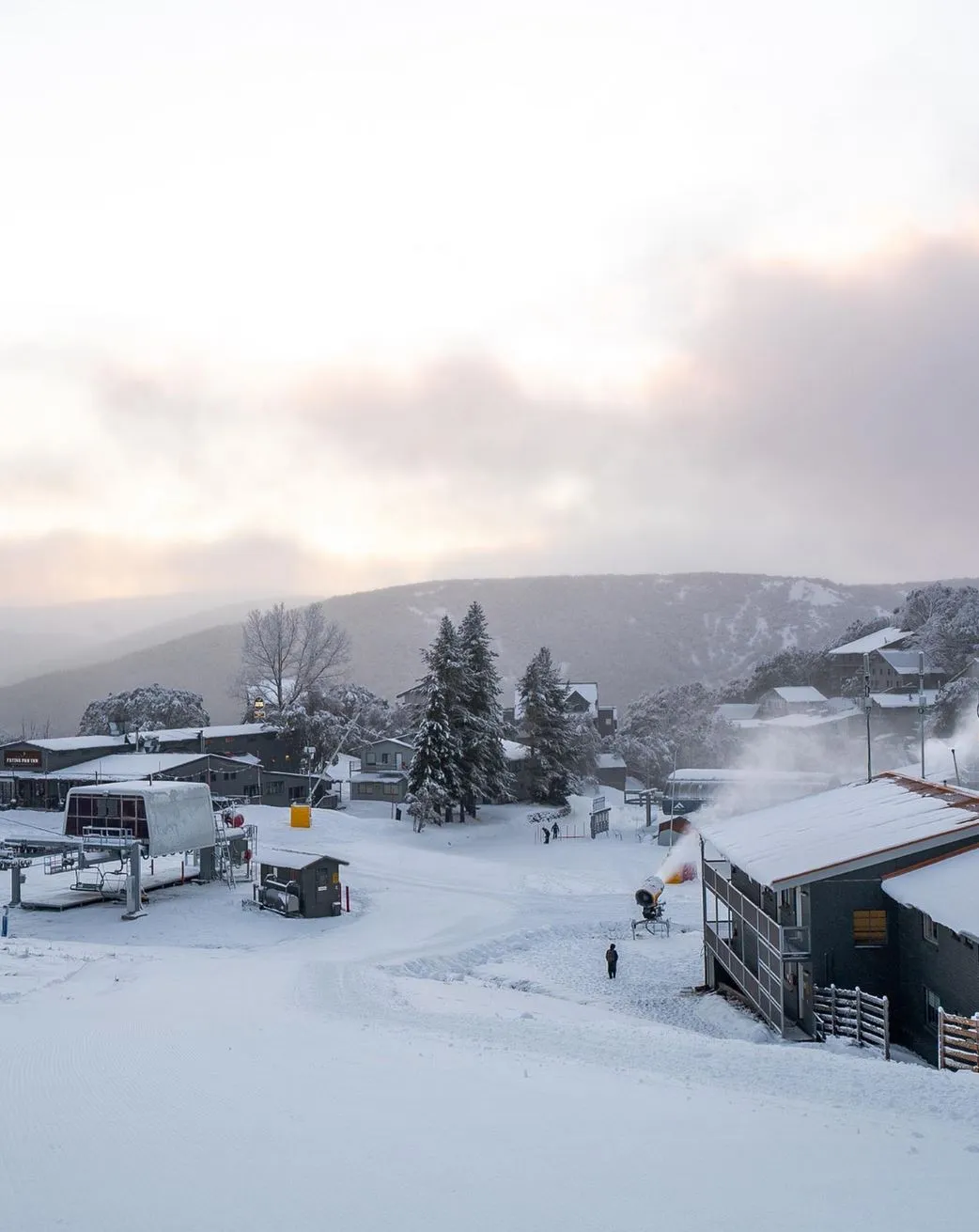
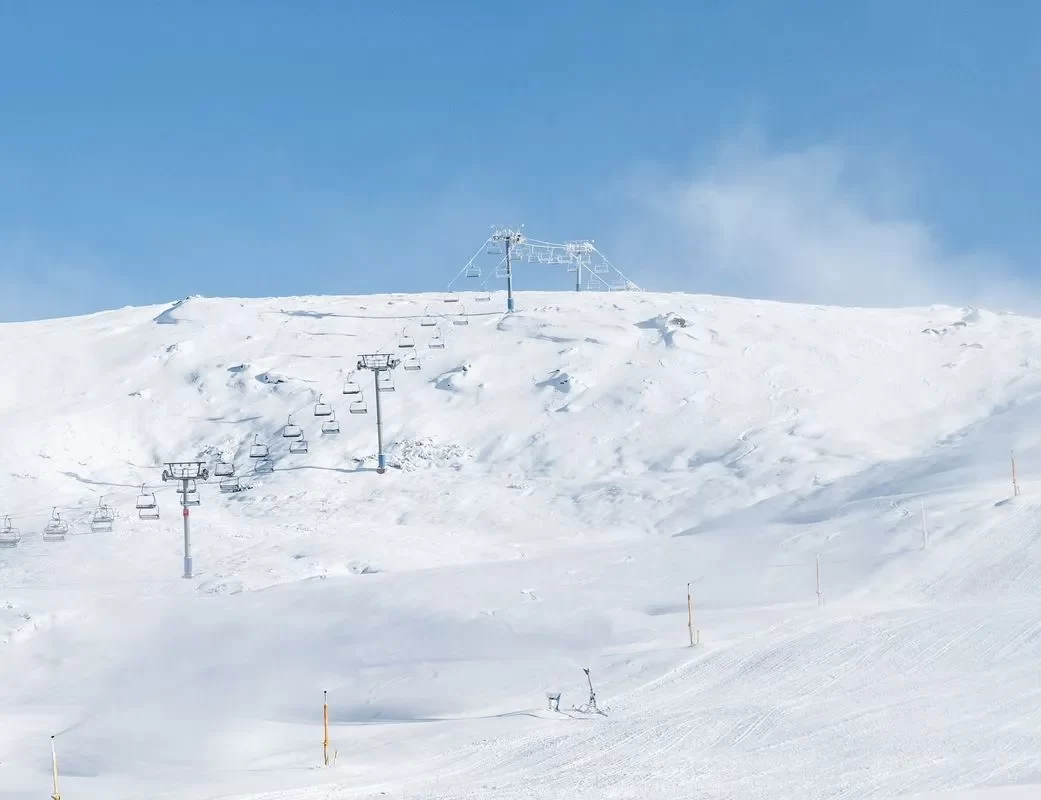
Snow in Australia is typically between June and September, with a peak in July and August. Popular destinations are Perisher, Thredbo, Falls Creek, Mount Buller and Ben Lomond. Check the weather forecast and snow reports before you head out to get the best experience. The official snow season also coincides with school holidays so it’s a perfect day trip to snow from Melbourne or extended adventure.
When choosing your destination, consider the level of hiking trails, skiing accessibility and village transport options. Some resorts even offer a snow guarantee so you can experience the best possible conditions. Events calendars for different ski resorts will tell you about winter activities like skiing for beginners, snowshoeing and mountain bike riding. Plan your snow trip Melbourne so you can make the most of your time and do everything.
2. Pack Winter Gear
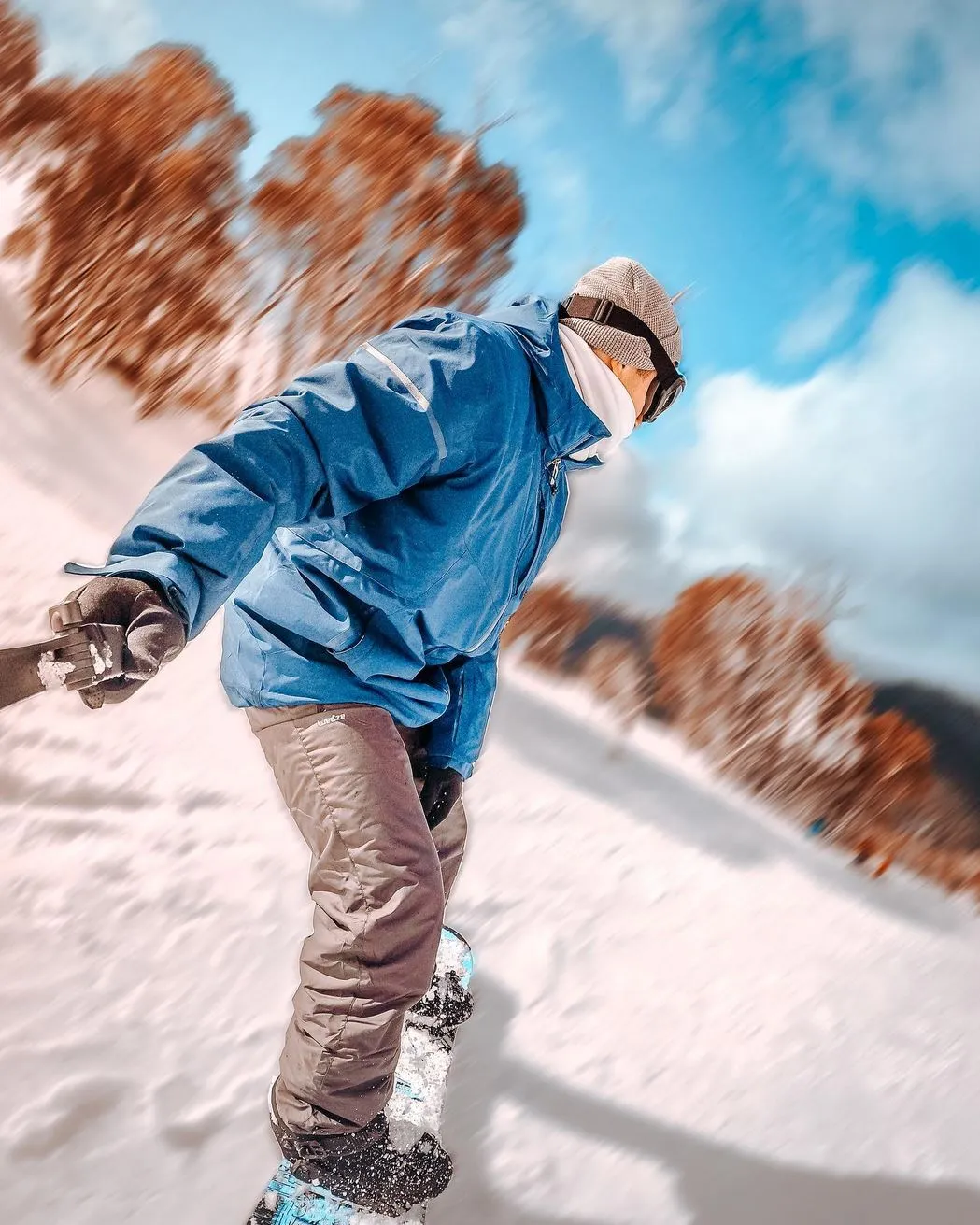
The right clothes and accessories will keep you warm and comfy in the snow. Your packing list should include:
- Waterproof and insulated jacket and snow pants
- Thermal base layers made of synthetic materials
- Wool or synthetic socks to keep your feet warm
- Gloves and beanie
- Waterproof boots with good grip for icy conditions
- UV-protective sunglasses or goggles
- Sunscreen and lip balm (yes, sunburn is possible in the snow!)
- Warm clothes for an extended time in cold weather
- Minimal snow clothes to ensure durability for future trips
If you’re planning a night hike, add extra layers and a torch to your list. A warm environment at your accommodation will ensure safety and comfort after hours in the snow fields.
3. Prepare Your Vehicle for Snow
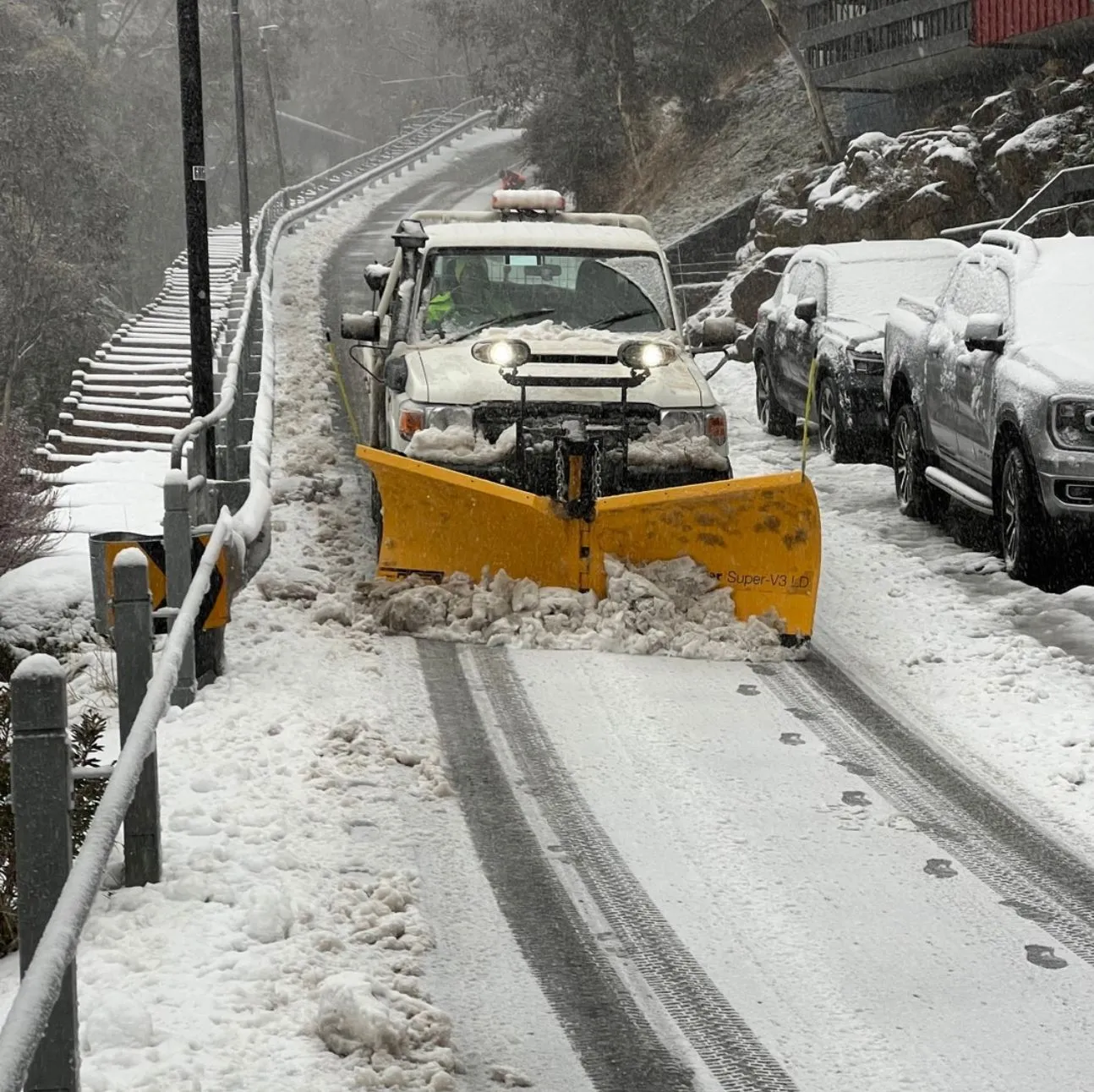
If you’re driving to the snowfields, make sure your car is snow-ready:
- Fit snow chains to your tyres (required on many alpine roads and mountain roads)
- Check antifreeze levels in the radiator
- Use winter-grade windshield washer fluid
- Make sure your battery is good (cold weather can affect performance)
- Carry an emergency kit with a torch, blankets, snacks and extra water* Watch out for icy ice conditions that can make driving treacherous
- Use your hazards when visibility is poor
- Allow plenty of time to travel as two-way traffic can be slow in the snow
- Stop at service stations to check fuel and tyre pressure before you hit the snow
Some checkpoints have authorised officers that will check for snow chains so make sure you comply to avoid delays on alpine roads.
4. Book Accommodation and Lift Passes in Advance
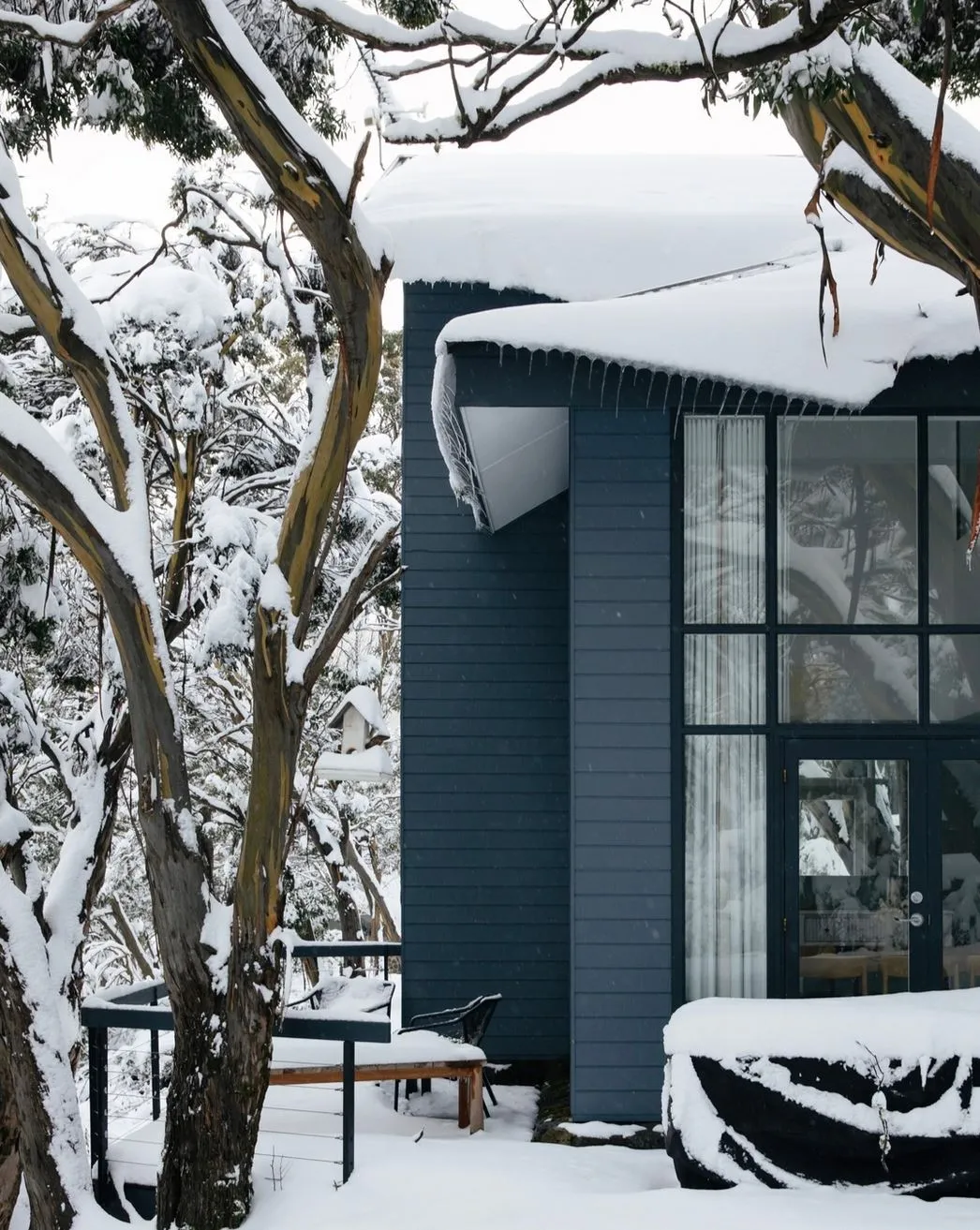
During peak snow season accommodation at ski resorts books out fast. Booking early will get you the best location at the best price. If you plan on skiing or snowboarding, buying lift tickets in advance will save you time and money. Many ski fields offer ski lessons including group lessons for skiing beginners, so a supportive environment for all levels.
Some resorts offer lift passes that include ski lessons. Others offer lessons tailored to each skill level. If you’re looking for a Melbourne snow day trip, choose a ski field that offers an easy return trip from major capital cities. If you’re on an extended snow trip, make sure to book accommodation with warm facilities to recover after long days on the mountain.
5. Consider a Snow Tour or Shuttle Service
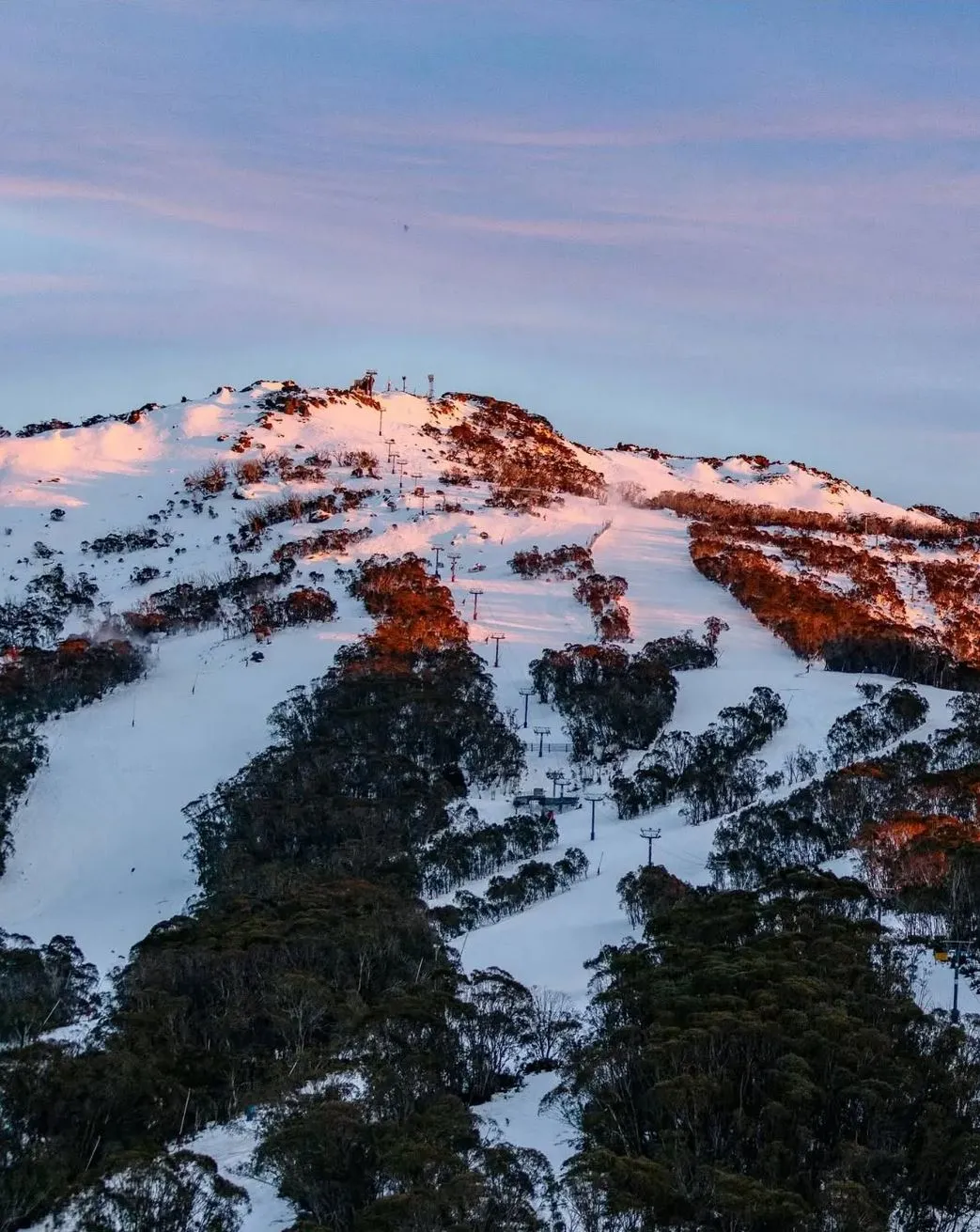
If you’re not used to driving in snow, join a guided snow tour or use village transport from nearby towns. This takes the stress out of navigating icy roads and makes for a smoother experience. Many alpine villages offer extra services including recycling services, volunteer services and winter season closure information.
Some adventure destinations offer extended packages that include skiing, mountain biking and other winter activities. A snow tour is a great way to visit multiple locations in one trip and get the most out of your winter break.
6. Stay Safe and Be Aware of Weather Conditions
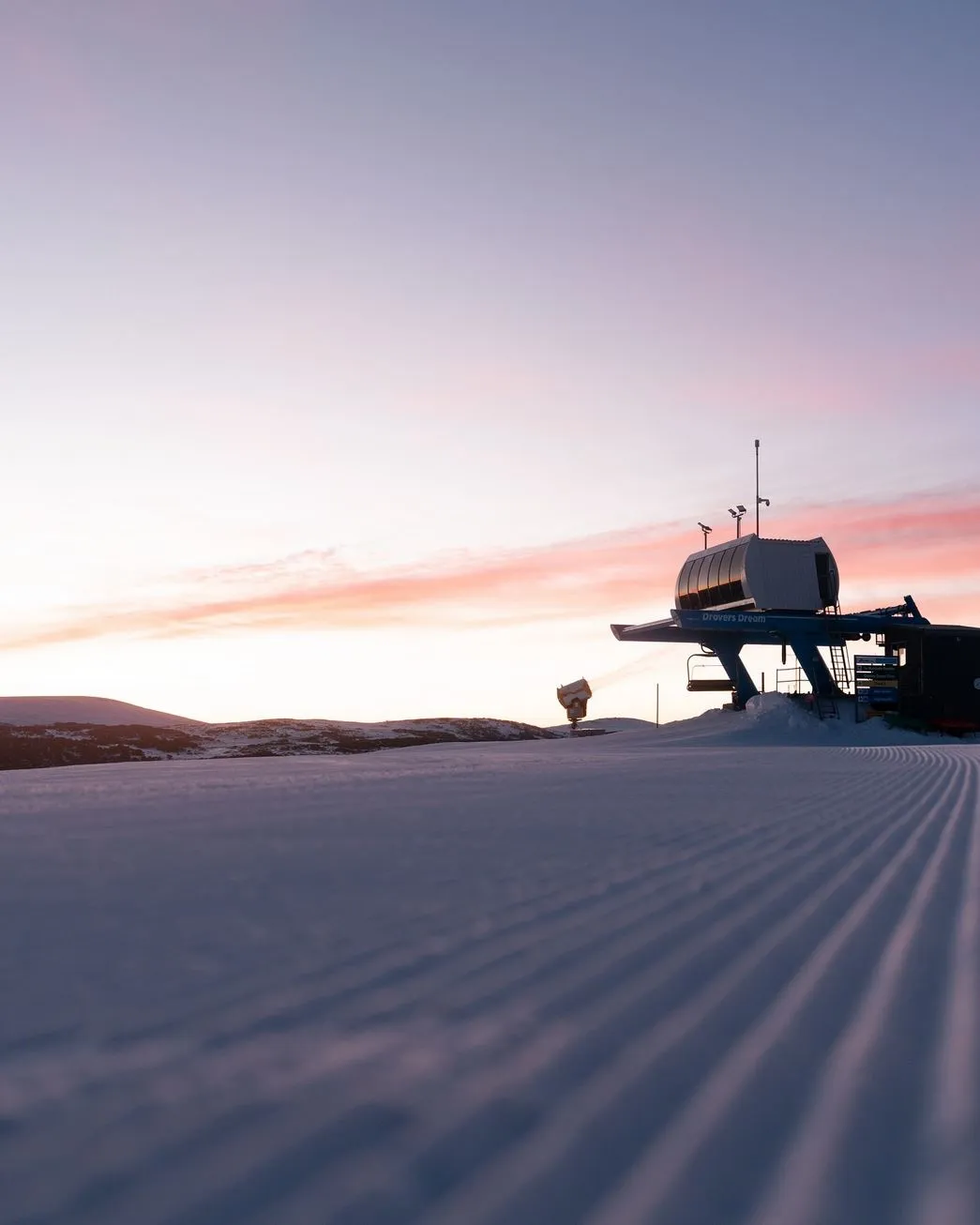
Snow conditions can change quickly. Always check the weather, follow resort guidelines and take safety precautions. If you’re skiing or snowboarding, wear a helmet and follow trails. Hikers and hiking enthusiasts carry navigation tools and be prepared for weather changes based on experience. Night hikes can be magical but ensure you’re prepared for cold.
Check the events calendar at ski resorts for weather changes or mountain road closures. A safe location is always the priority so follow resort rules for the best experience.
7. Plan Your Activities Beyond Skiing
Not a skier? No worries! Many snowy destinations offer winter activities like snowshoeing, tobogganing, mountain biking, scenic chairlift rides and alpine dining. Ski fields and snowfields also have event calendars for visitors looking to try new adventures. Research your destination to find activities that suit you. Some resorts have mountain biking during the snow season with well groomed trails. If you want a winter wonderland, look for destinations with scenic locations and snow-day photos.
By booking ahead and packing right you can make the most of Australia’s snow. Whether you’re skiing or just enjoying the views, a prepared trip will be a safe and awesome destination.
FAQ
Do I need snow chains for my car in the Australian Alps?
Yes, snow chains are required on many alpine roads, especially in NSW and Victoria. An authorised officer may check your chains before allowing access to ski fields.
What should I wear for a snow trip?
Layering is key. Wear thermal base layers, insulated and waterproof jackets, snow pants, warm gloves, and waterproof boots. Don’t forget a beanie and sunglasses or goggles. Minimal wear on quality snow gear means a long life.
Can I go to the snow in Australia without skiing?
Yes! Many ski resorts and alpine villages have snow play areas, tobogganing, mountain bike riding, chairlift rides and cosy lodges where you can enjoy the winter atmosphere. Some places offer a snow guarantee for visitors who want a real winter wonderland.
Is it expensive to visit the snow in Australia?
Yes, but costs vary depending on accommodation, lift tickets and equipment hire. Book early, choose budget options, bring your own gear and you’ll save. Some resorts offer lift discounts during certain periods.
Are there any health risks when visiting snowy areas?
Cold weather can cause hypothermia and frostbite. Stay warm, hydrated and sun protected. If skiing/boarding, wear safety gear and consider lessons tailored to your skill level.