 by
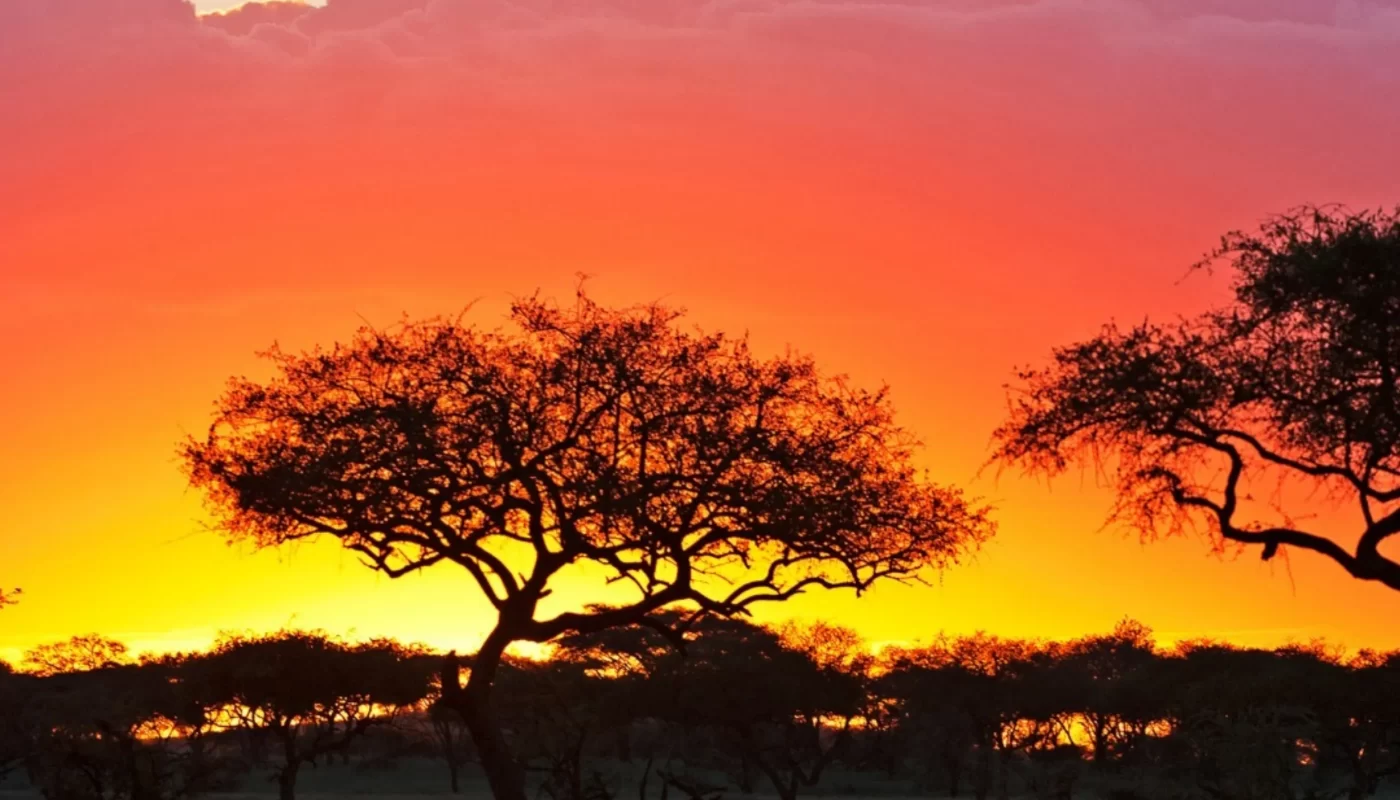
by Kakadu National Park, a UNESCO World Heritage site, is one of Australia’s most amazing natural and cultural wonders. Stretching across nearly 20,000 square kilometres in the Northern Territory, this huge expanse is famous for its stunning biodiversity, rich Aboriginal heritage and natural wonders. But why is Kakadu National Park so special? Let’s find out its ecological, cultural and historical importance.
Contents
1. A Biodiversity Hotspot
Kakadu National Park is home to an incredible array of wildlife and plant species making it one of Australia’s most diverse regions. The park has wetlands, floodplains, major river systems, rugged escarpments, tidal mudflats and monsoon forests that provide a sanctuary for thousands of species including:
- Over 280 bird species, a birdwatcher’s paradise.
- More than 10,000 insect species and 117 different types of reptiles.
- The saltwater crocodile, who thrives in Kakadu’s waterways.
- Diverse flora, rare and endemic plant species that have adapted to the region’s unique climate.
- Aboriginal land with diverse habitats for native wildlife.
- Invasive species like Mimosa pigra and cane toads that threaten native ecosystems.
2. Rich Aboriginal Heritage
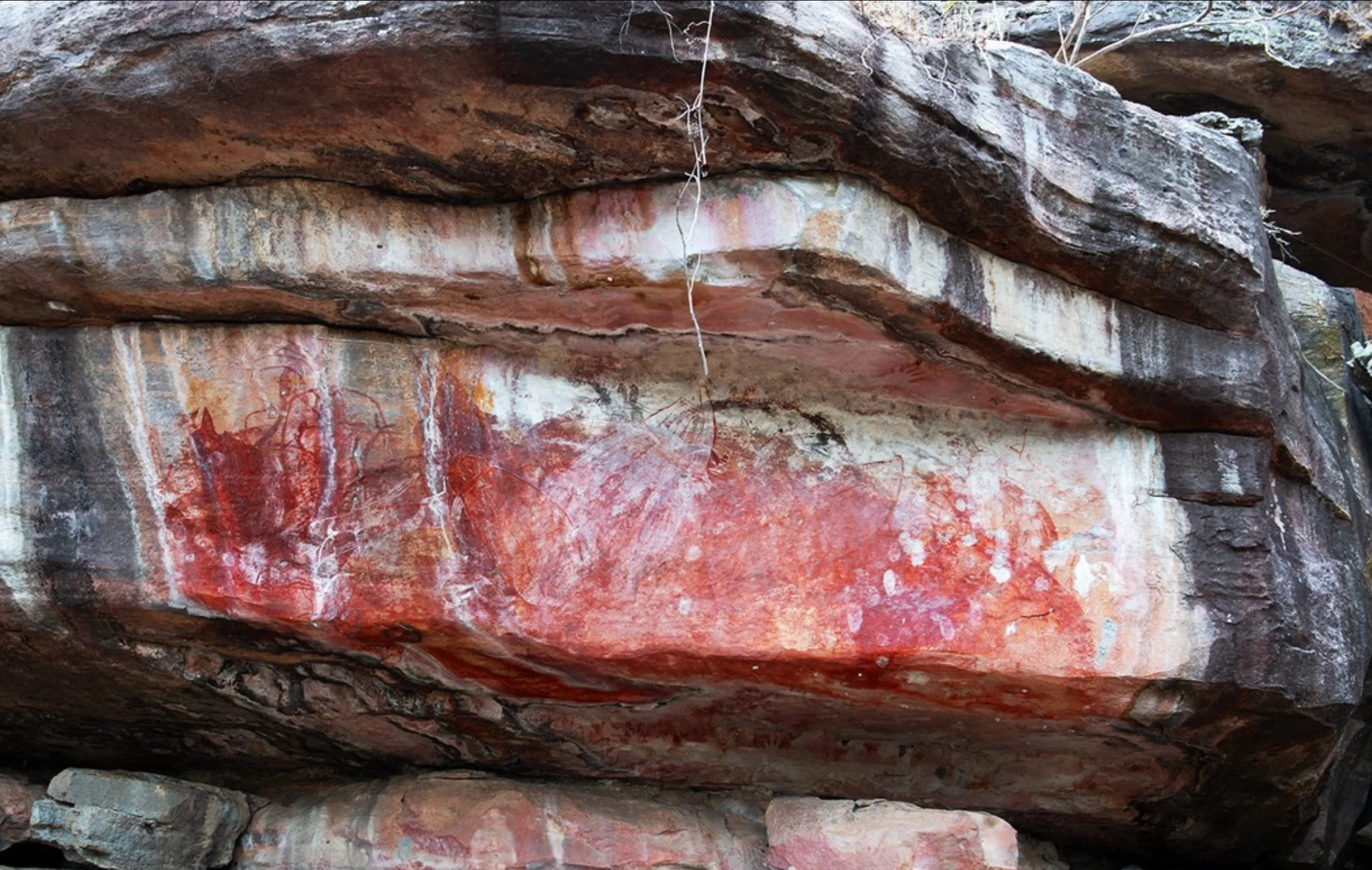
Kakadu National Park is one of the oldest inhabited landscapes on earth, with Aboriginal people living in the area for more than 65,000 years. The park is co-managed by the Aboriginal traditional owners and Parks Australia, to protect its cultural resources. Some of Kakadu’s Indigenous significance includes:
- Rock Art Sites: Kakadu tours has one of the world’s largest collections of Aboriginal rock art, with rock paintings and carvings thousands of years old. The Ubirr and Nourlangie Rock shelters have ancient depictions of Dreamtime stories, animals, human figures and early human interactions, significant archaeological sites.
- Sacred Sites: Many areas within the park are sacred to the Bininj/Mungguy people, who continue to pass down their knowledge, traditions and connection to the land.
- Living Culture: Visitors can experience Indigenous guided Darwin Tours Kakadu, storytelling and cultural demonstrations to gain a deeper understanding of Aboriginal traditions and their ongoing relationship with the land. Indigenous communities continue to practice cultural rituals on their ancestral land, reinforcing the cultural significance of Kakadu.
3. Stunning Natural Landscapes
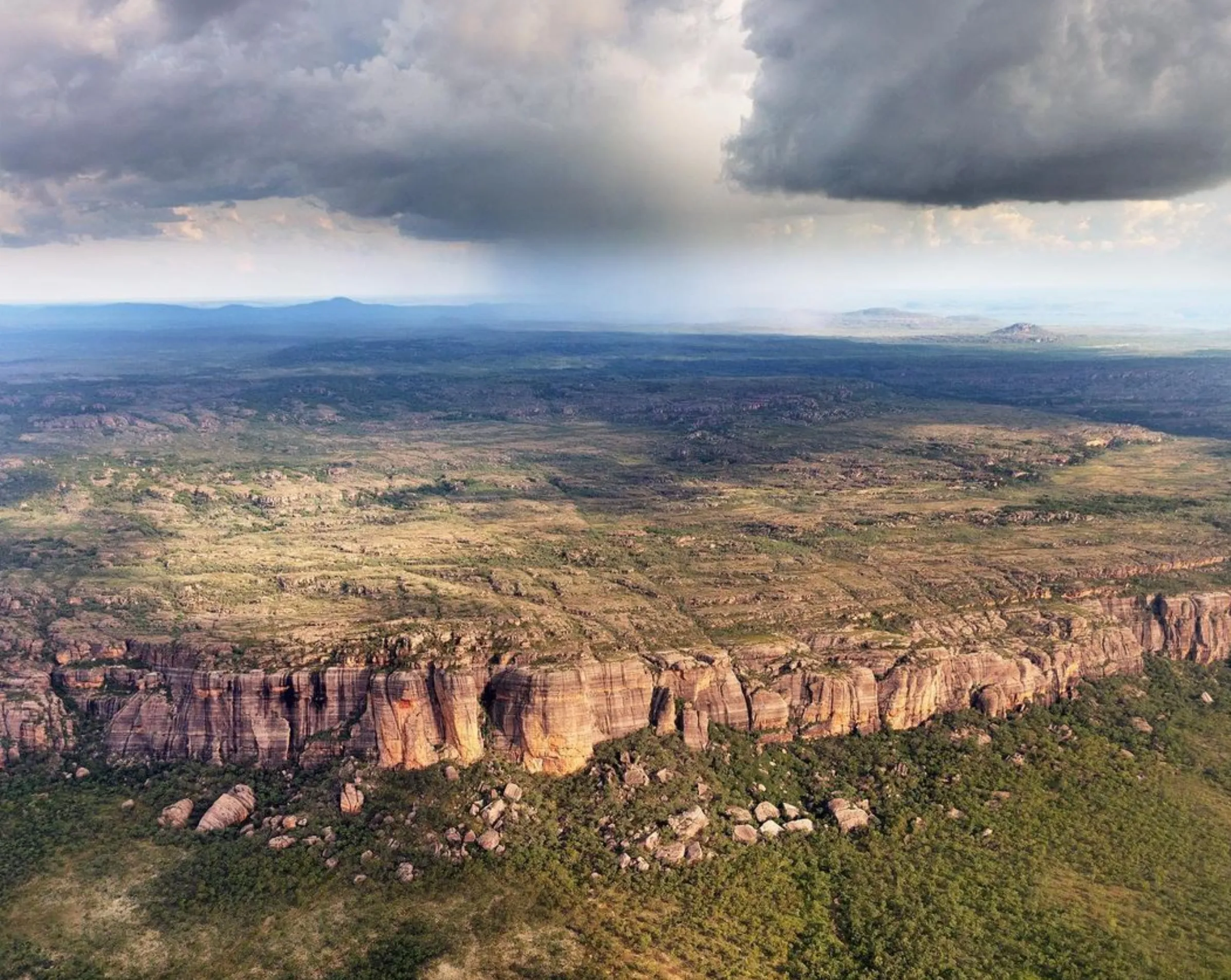
Kakadu National Park has some of the most incredible natural beauty in Australia:
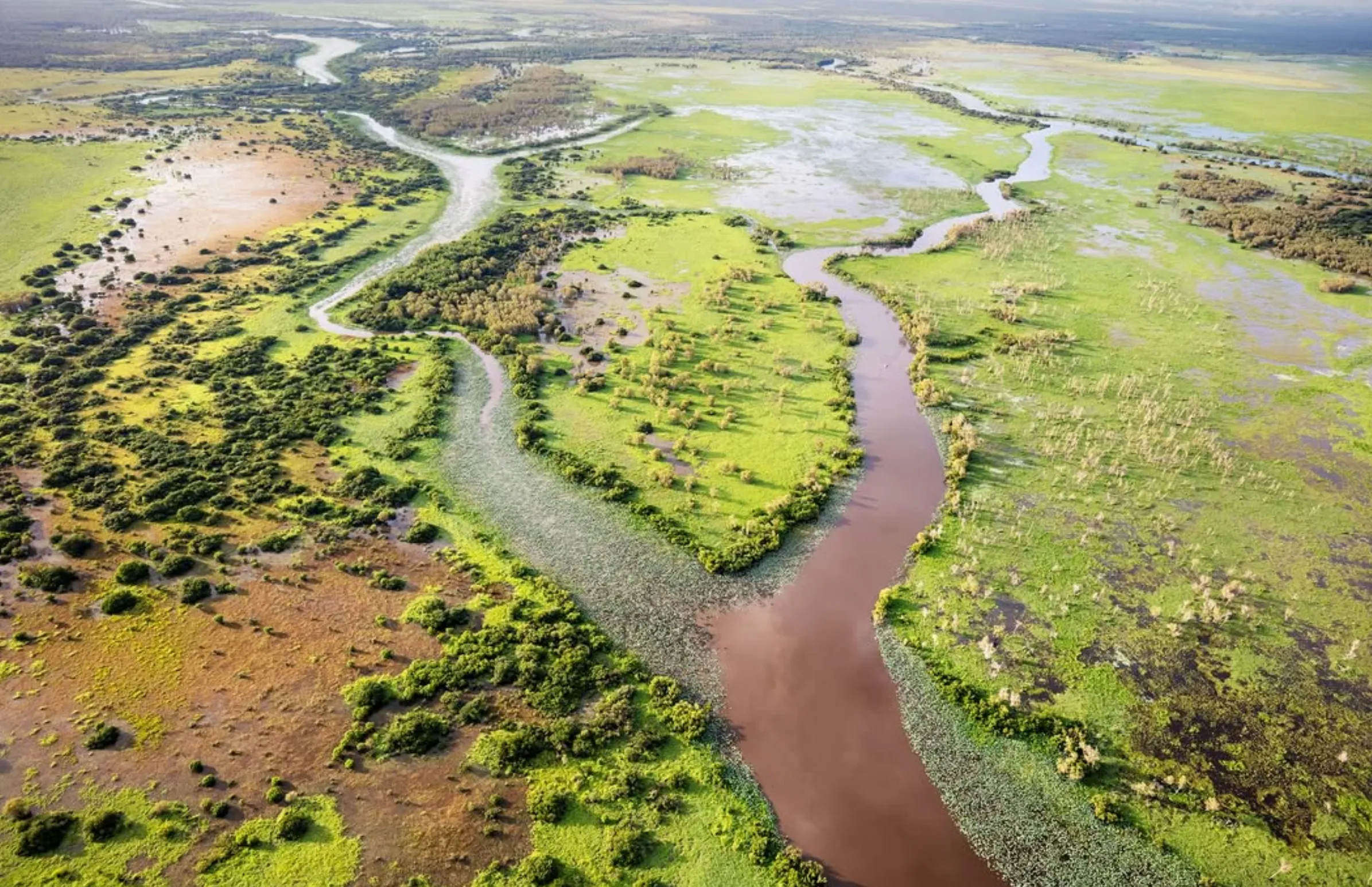
- Jim Jim Falls and Twin Falls: These waterfalls drop off huge cliffs and are swimming holes during the dry season.
- Yellow Water Billabong: A peaceful wetland where you can take a cruise and see plenty of wildlife including crocodiles, Asian water buffalo and colourful birds.
- Arnhem Land Escarpment: A rugged sandstone plateau with stunning views and a significant geological feature of the area.
- East Alligator River and Mary River: The two major river systems that support the park’s ecosystems and biodiversity.
4. A World Heritage Site
Kakadu is one of the few places on earth that has dual World Heritage status for its cultural values and natural values. This recognition means it’s a site of outstanding universal value. The cultural criterion and natural criterion acknowledges the park’s unique ecological and archaeological record.
5. An Adventure Seeker’s Paradise
If you’re an adventure seeker Kakadu has plenty to offer:
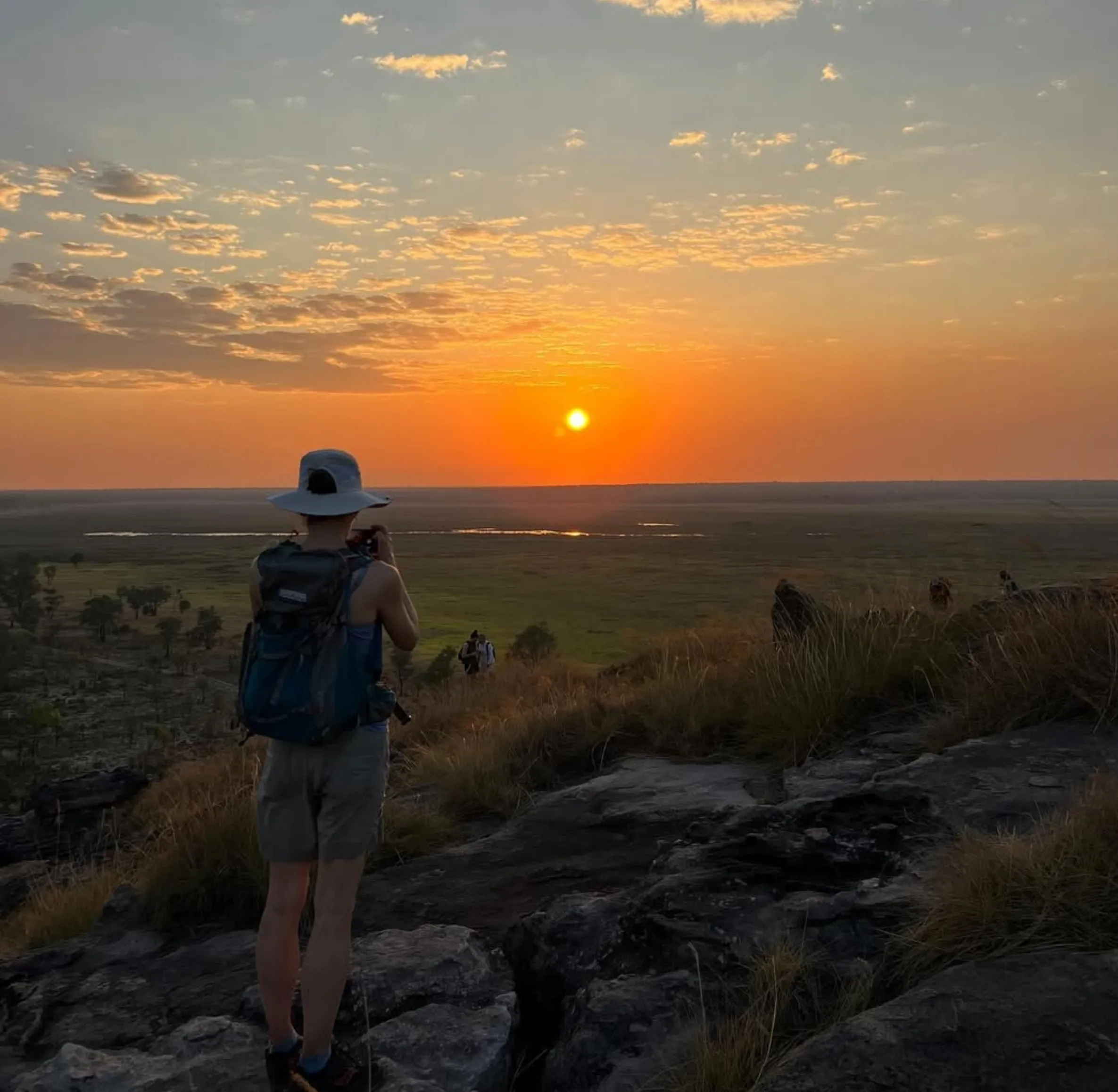
- Hike through scenic trails and find hidden waterfalls.
- Wildlife spotting and photography in many different habitats.
- Camp under the stars in one of Australia’s most remote and beautiful places.
- Boat and fish in the park’s pristine waterways and take a sightseeing Kakadu day tour.
- Scenic flights over the rainforests, entire catchment areas and complex of ecosystems.
- Explore historical records and archaeological sites to learn about the Aboriginal majority population and their time in the region.
- Guided Kakadu tours from Darwin with Wayoutback Tours and immerse yourself in Kakadu’s landscapes.
Conclusion
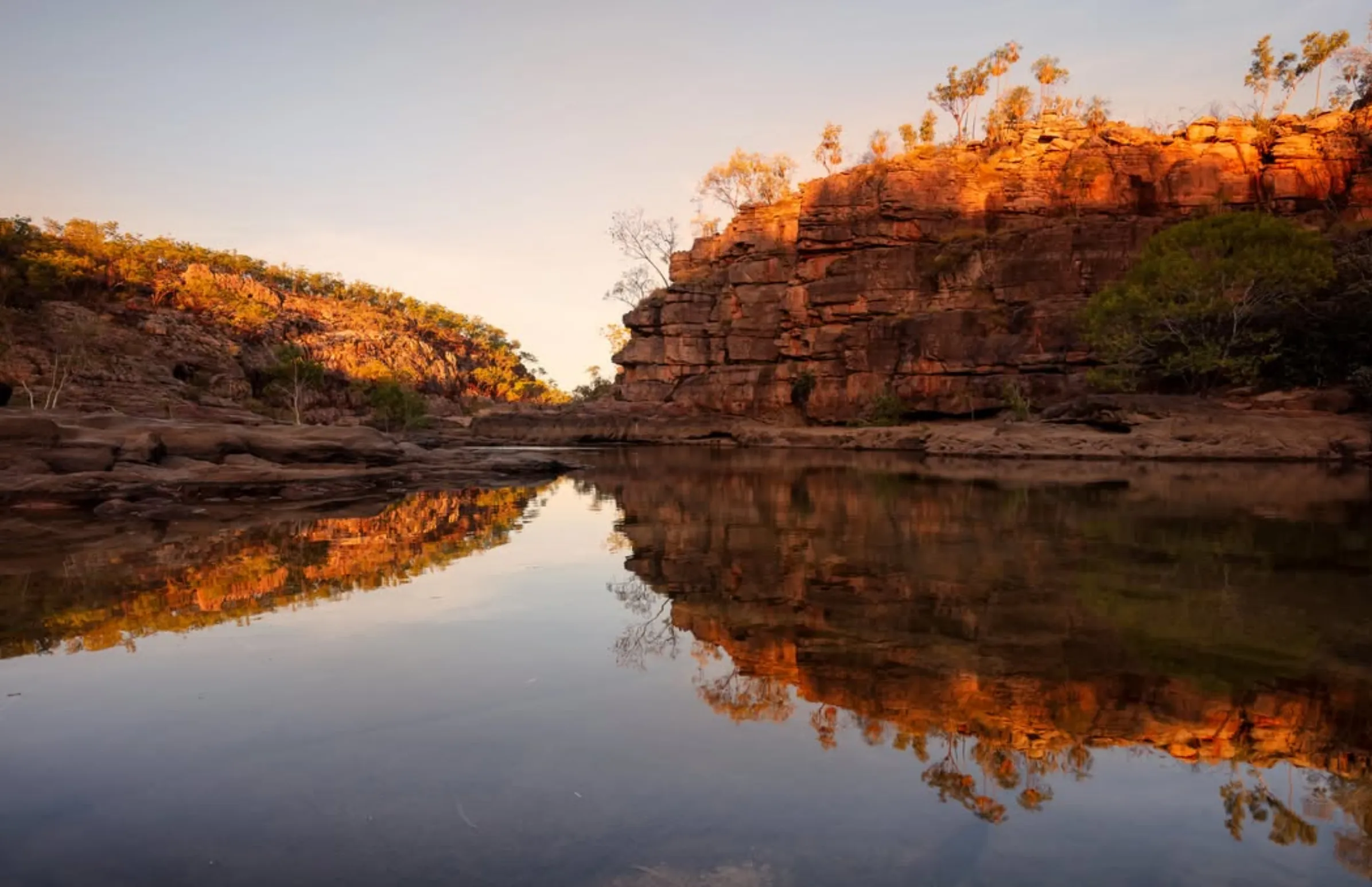
Kakadu National Park is more than just a place to visit – it’s a living cultural landscape and ecological wonder that shows the deep connection between nature and the Indigenous people of Australia. Whether you’re a wildlife enthusiast, history lover or adventure seeker, Kakadu has an experience for you that will show you the beauty, history and significance of this amazing place. Its conservation, managed by a Plan of Management and active management strategies, will ensure future generations can continue to explore and enjoy the natural environment and Aboriginal culture. The park’s dual listing recognises the evolutionary processes and faunal composition that make Kakadu a site of universal significance where the Aboriginal culture and natural environment coexist.
FAQ
When is the best time to visit Kakadu National Park?
May to October is the best time to visit when the weather is warm and most attractions are open. November to April is lush and waterfalls are spectacular.
Are there guided tours in Kakadu National Park?
Yes, Darwin to Kakadu tours are available. Many are led by Indigenous guides that bring deeper knowledge of the park’s culture and natural heritage.
What wildlife can I see in Kakadu National Park?
Saltwater crocodiles, kangaroos, wallabies, dingoes and many bird species including jabirus and brolgas.
Can I camp in Kakadu National Park?
Yes, there are several camping areas from basic campsites to more developed campgrounds with facilities. Camping allows you to get up close and personal with the park.
Do I need a permit to visit Kakadu National Park?
Yes, you’ll need a park pass which contributes to the conservation and management of the park. Passes can be purchased online or at visitor centres.