 by
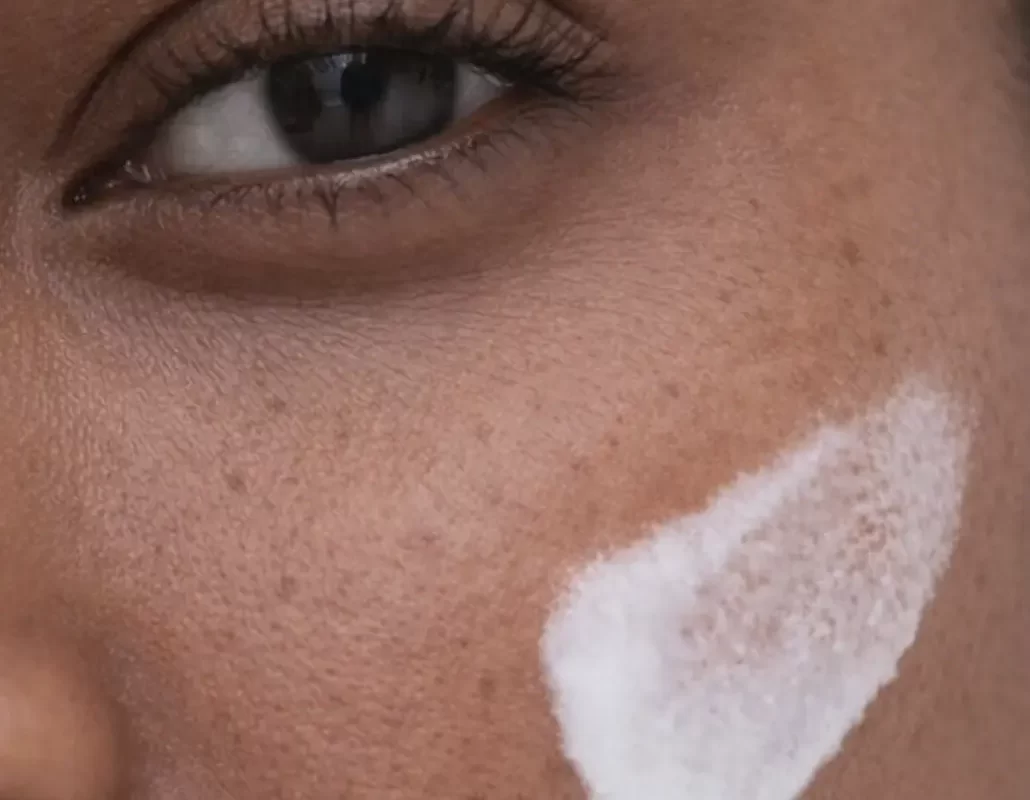
by When clients come to me and ask, “What is dry skin lacking in?”, I always say that dryness isn’t just about your skin being a bit parched – it’s really a sign that your skin barrier is getting hammered. Working with every skin type imaginable in The Facial Hub facial studio, I’ve come to see dry skin as a cocktail of problems: lipid loss, dehydration, stress, and habits that slowly chip away at the moisture shield your skin relies on.
And no, dryness isn’t just something you “feel” – it’s a real skin condition, rooted deep in the biology of your skin. We’re declining ceramides, depleted fatty acids, weakened natural oils, and compromised structural layers such as the stratum corneum. Let’s break down what dry skin is missing, what causes it, and how you can get your skin back on track.
Contents
- 1 What Your Barrier Is Missing Most
- 2 The Essential Components Your Barrier Depends On
- 3 How Moisture Loss Actually Happens
- 4 How To Recognise A Compromised Barrier
- 5 Lifestyle And Environmental Impacts You May Not Notice
- 6 Ingredients That Bring Back Balance And Comfort
- 7 How Long Does It Take To Restore Balance
- 8 Professional Support For Barrier Recovery
- 9 2026 Skincare Trends
- 10 Your Skin Isn’t Failing You
- 11 FAQ
What Your Barrier Is Missing Most
When I do a proper skin analysis, I see a pattern with dry skin – it’s nearly always the same: your intercellular lipid layer is weakened. This layer is made from a bunch of different things: ceramides, free fatty acids, cholesterol, and things like hyaluronic acid – all pretty crucial for a strong, flexible and healthy skin moisture barrier.
When your skin barrier gets thin, you lose more water than you would otherwise. And if you don’t have enough oils or fatty acids to keep everything in check, you can’t retain moisture properly. That’s why our skin barrier repair treatments at The Facial Hub often focus on plugging those gaps and replenishing the essential bits your skin needs to stay healthy.
The Essential Components Your Barrier Depends On
| Component | Role | What Happens When It’s Low |
|---|---|---|
| Ceramides | Maintain barrier structure & function | Stinging, irritation, sensitivity |
| Fatty Acids & Cholesterol | Keep skin soft, flexible, nourished | Flakiness, tightness, rough texture |
| Natural Moisturising Factors (NMFs) | Lock water inside skin cells | Dehydrated skin, dullness, fine lines |
2026 skincare studies show that over 60% of dryness cases relate to weakened intercorneocyte lipids, not just poor hydration. Supporting these lipids is essential to healthy skin repair.
How Moisture Loss Actually Happens
Dryness sets in when your skin both loses its internal moisture and sheds its natural lipids. Environments like blasting air conditioning or a hot climate are a recipe for significant water loss, especially if your skin is already compromised.
Day-to-day habits such as using harsh soaps or over-exfoliating just do a number on your lipid barrier. Not to mention the damage excessive UV exposure does to your hyaluronic acid levels – it’s basically like your skin has lost its ability to hydrate itself.
I see this all the time with clients coming in for relax and repair facials in Brisbane – their barrier has just been worn down by a combination of lifestyle and weather.

How To Recognise A Compromised Barrier
Before you go changing your whole skincare routine, your skin will usually let you know what it wants.
If You Need More Ceramides:
- You get stinging pain when you put on a new cream
- You get red and inflamed even when you go out in the sun a bit
- It burns after you wash your face
If You Need More Natural Oils or Fatty Acids:
- Your skin feels tight all the time
- You get flaky bits around your nose and on your chin
- Your makeup just sticks in patches
If You Need Help with Hydration:
- You drink loads of water, but your skin just dries out fast
- It still looks dull even though you use moisturiser
- Your fine lines are starting to look deeper than they used to
Dry skin is particularly bad if you’ve got atopic dermatitis or chronic renal disease, or if you’ve been using steroids on your skin for ages. In all cases, the skin’s moisture barrier is compromised.
Lifestyle And Environmental Impacts You May Not Notice
The place you live in has a massive impact on how dry your skin is. Even if you’re naturally healthy, your skin will struggle if it’s constantly stressed.
1. Cleaners That Burn
Using strong cleansers or soaps that foam up and strip your skin of all its natural oils is a recipe for disaster.
2. When You Spend too Much Time in the Sun
You can’t get away from UV – it’s bad for your skin, and it makes the dryness worse.
3. Indoor Heating and Air Conditioning
Both are moisture suckers that cause your skin to lose hydration.
4. You’ve Got A Skin Condition or Fungal Infection
Don’t forget that certain conditions, such as seborrheic dermatitis and athlete’s foot, can exacerbate dry skin.
And if you’ve had treatments like an IPL photofacial to strengthen the skin, you need to look after your skin to help it heal properly.
Ingredients That Bring Back Balance And Comfort
When it comes to rebuilding dry skin, think of hydration and lipids like a pair who need each other – one draws in water, the other keeps it in place.
Hero Ingredients For Lipid Replenishment:
- Linoleic acid (an essential fatty acid)
- Ceramides (Types 1, 3, and 6-II)
- Plant and vegetable oils
- Squalane
- Cholesterol + natural oils
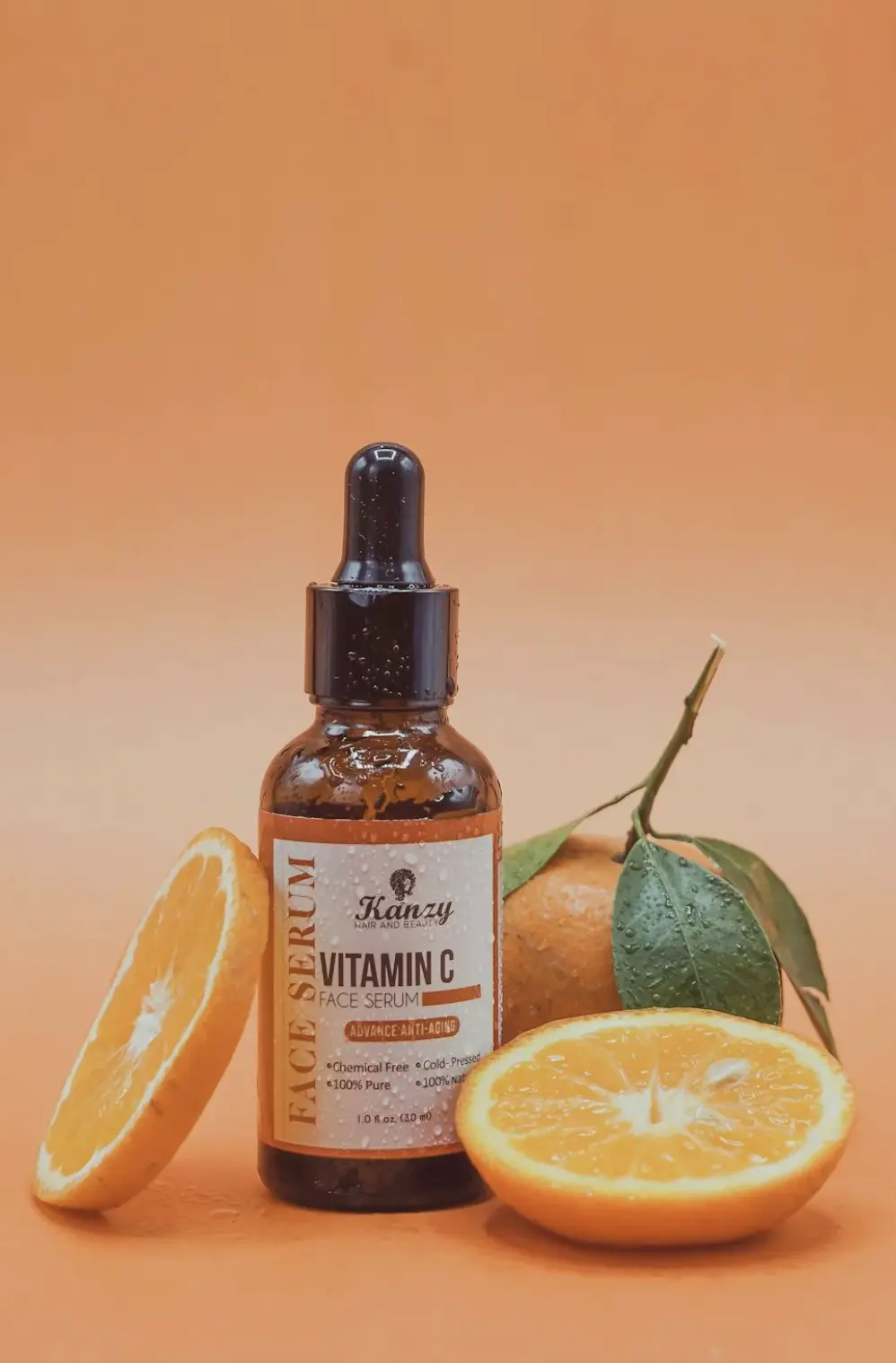
Ingredients That Boost Deep Hydration:
- Hyaluronic acid
- Aloe vera
- Natural hydration factors (amino acids, urea)
- Occlusives like petroleum jelly
These ingredients are vital for strengthening the all-important intercellular lipid layer and boosting your skin’s resilience. The same science we use with our approach to skin barrier repair at The Facial Hub, where we combine lipid restoration and hydration in a way that really works.
How Long Does It Take To Restore Balance
| Timeline | What Improves |
|---|---|
| 1–2 weeks | Less tightness, better comfort |
| 3–4 weeks | Hydration retention improves, texture softens |
| 6–12 weeks | Stronger barrier, fewer irritations, better glow |
Dryness caused by harsh routines may correct quickly, while medically linked dryness may need longer care and a personalised treatment plan.
Professional Support For Barrier Recovery
In the real world of skincare, we’re all about layered restoration: gentle yet effective exfoliation, a deep dose of hydration, replacing lost lipids, and providing your skin with much-needed environmental protection. Our approach is designed to provide you with both immediate comfort and long-term barrier resilience.
Here’s what our typical barrier-focused treatment might look like:
- Gentle enzyme exfoliation
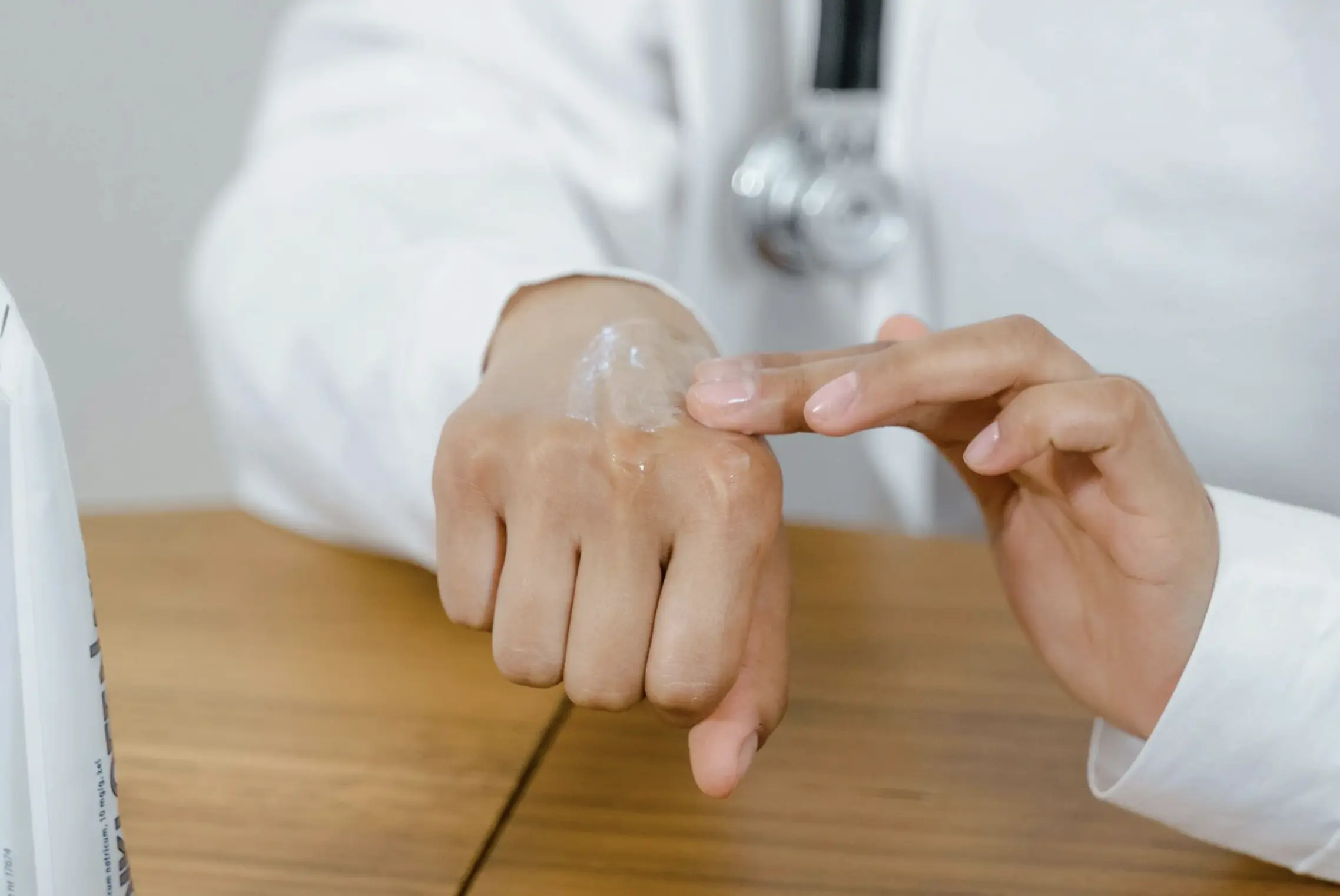
- Infusion of hydrating serums (often rich in hyaluronic acid)
- Strengthening the lipid barrier with ceramides + fatty acids
- Post-treatment guidance on prevention
- LED therapy for barrier-supportive healing
Unfortunately, clients who undergo IPL hair removal at The Facial Hub or a postoperative IPL photofacial may experience dry skin as a side effect. We also offer this soothing, restorative approach to help them return to normal.
2026 Skincare Trends
Dry skin dominated the global beauty trends last year, and it’s easy to see why.
- Hydrating skincare products have surged by 40%
- Ultra-hydrating lipid formulas increased by 30%
- Personalised skincare routines remain the fastest-growing category
- Barrier-focused treatments lead demand in Australian clinics
This shift shows that people are recognising the value of relax and repair facials in Brisbane to achieve much-needed deep restoration.
Your Skin Isn’t Failing You
Dry skin isn’t a malfunction – it’s your skin sending you a message, telling you it needs support. That support could take the form of additional hydration, lipids, protection, or lifestyle adjustments. Whether you’re dealing with dryness due to environmental factors, skincare irritation, or barrier disruption after a procedure, your skin can heal with the right skincare routine.
But let’s be real – if you’re unsure where to start, a professional consultation at a reputable facial clinic can help map out your skin’s needs and get you on the right track to healing from the inside out.
FAQ
Is dry skin the same as dehydrated skin?
No way – dry skin is missing fatty acids and natural oils, while dehydrated skin is lacking water. You can end up with both if you get excessive UV exposure or blast your air conditioning on high.
What causes chronic dry skin even when I’m moisturising?
Your lipid barrier may be compromised. Without ceramides, cholesterol, and free fatty acids, hydration just can’t stay inside the stratum corneum.
Can harsh soaps worsen dry skin?
Unfortunately yes. Harsh soaps disrupt the intercellular lipid layer, leading to water loss and irritation. Go for a gentle, hypoallergenic soap instead.
Does UV radiation contribute to dryness?
Absolutely – UV rays are basically a one-two punch for your skin. They break down lipids, reduce hyaluronic acid and weaken the skin’s moisture barrier.
What’s the fastest way to hydrate very dry skin?
The best way to hydrate dry skin is to use a combination of humectants (hyaluronic acid) and emollients (plant oils and petroleum jelly) to reduce water loss and improve the skin barrier.