
 by
by As someone who’s spent their days helping clients address everything from patchy skin to sun damage, I get asked, “Will skin get darker if you take vitamin D?” more times than I can shake a stick at. Let me put your mind at ease up front: taking oral vitamin D supplements won’t make your skin darker.
In this article, I’m going to break down how vitamin D3, UV light, melanin levels and sunlight all interact – and why it’s so easy to get this mixed up in a place like Australia, where the UV Index is often off the charts by breakfast time.
Contents
- 1 What You Need To Know Up Front
- 2 How Vitamin D Actually Behaves In The Body
- 3 Why People Get These Two Mixed Up
- 4 Why Sun Exposure, Not Supplements, Affects Skin Colour
- 5 When Skin Actually Does Change Colour
- 6 What Actually Influences Skin Darkening?
- 7 What I See In Clinic: Real Client Experiences
- 8 My Top Rituals For Sun-Smart Skincare
- 9 Vitamin D Deficiency & Skin Appearance
- 10 Who Should Be Extra Mindful About Pigmentation?
- 11 My Bottom Line As A Skin Therapist
- 12 Little Invitation
- 13 FAQ
- 13.1 Can vitamin D supplements give me darker skin?
- 13.2 Why does my skin look darker since I started taking vitamin D?
- 13.3 Can a vitamin D deficiency mess with my skin?
- 13.4 Do foods like fatty fish or egg yolks cause me to have darker skin?
- 13.5 How do I keep my vitamin D levels topped up without getting a tan?
What You Need To Know Up Front
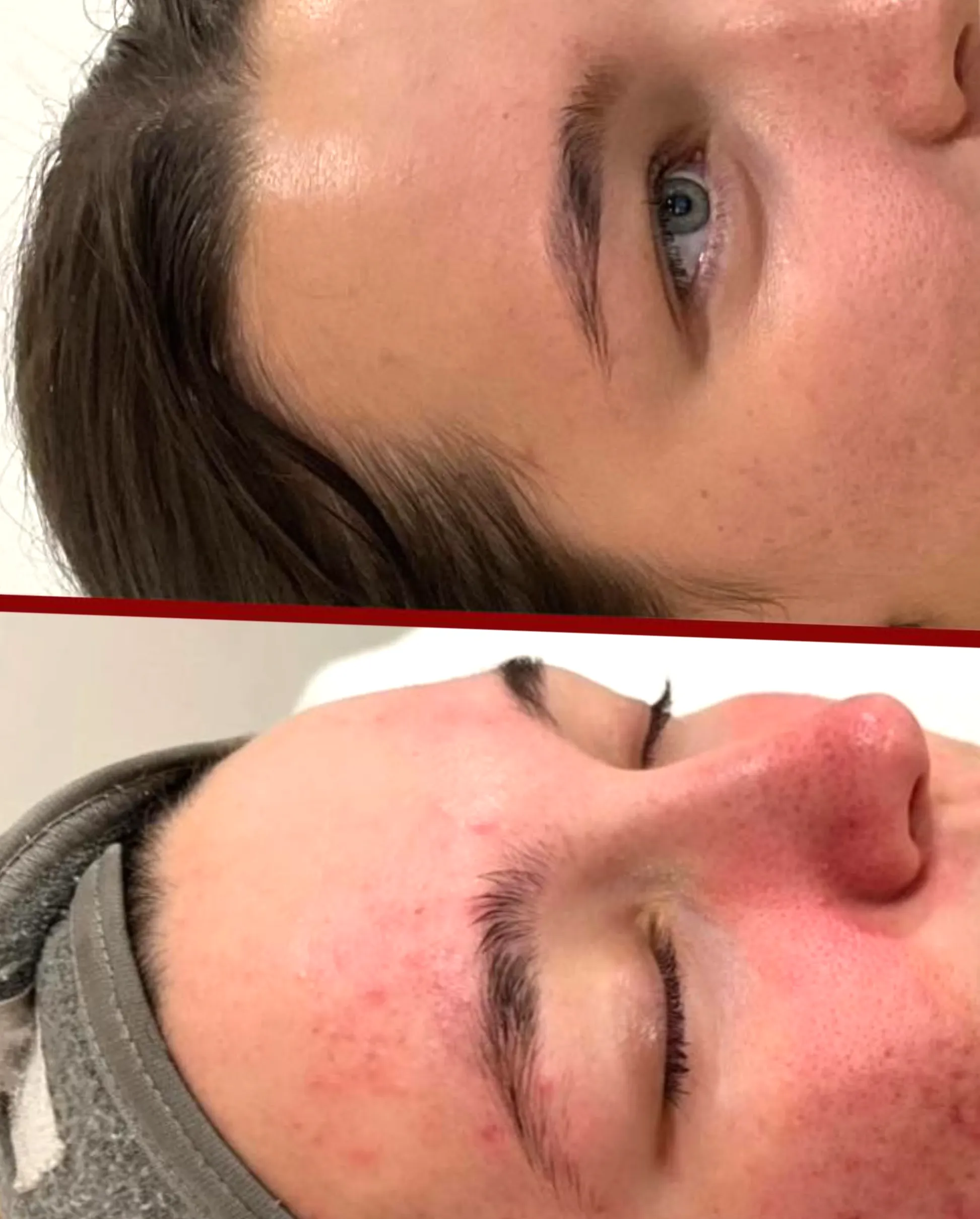
Let’s start with the basics: vitamin D supplements – whether you’re taking vitamin D2 or D3 – don’t increase melanin, change your skin tone or affect pigmentation. This is something that comes up frequently at The Facial Hub in Brisbane, especially among clients who spend a lot of time outdoors or notice their skin changing with the seasons. Any darkening that happens is almost always caused by UV radiation, heat, inflammation or hormonal changes – not the supplement itself.
How Vitamin D Actually Behaves In The Body
Vitamin D works more like a hormone than a regular vitamin. Once it is processed, it becomes 25-hydroxyvitamin D3, which is what you’d have tested for in a blood test. I get asked about this all the time when I’m doing exfoliating treatments like dermaplaning in Brisbane, because people assume there’s some sort of connection between vitamin D and skin health – but the two are actually pretty separate.
The thing is, no part of vitamin D metabolism triggers melanocytes, so taking supplements won’t have an impact on your skin’s pigmentation.
Why People Get These Two Mixed Up
Because vitamin D is linked to sunlight, people assume that taking a supplement will give them the same effect as getting a bit of sun on their skin. But it doesn’t. Supplements go straight into the body – no UVB rays, no melanin response.
Why Sun Exposure, Not Supplements, Affects Skin Colour
UV radiation, especially UVB, is what activates melanocytes. As soon as UV rays hit your skin, your melanin levels start to increase to protect your DNA from damage. This is a natural process that affects everyone, regardless of skin tone or skin type.
I get asked about this a lot during gentle exfoliation sessions, such as microdermabrasion at The Facial Hub, when we’re discussing how to keep your skin looking its best throughout the summer months.
In Australia, with our UV Index through the roof, it doesn’t take long at all to get a bit of sun on your skin and trigger melanin production. According to the Cancer Council, UV exposure is still the most significant environmental factor affecting pigmentation and skin cancer risk.
When Skin Actually Does Change Colour
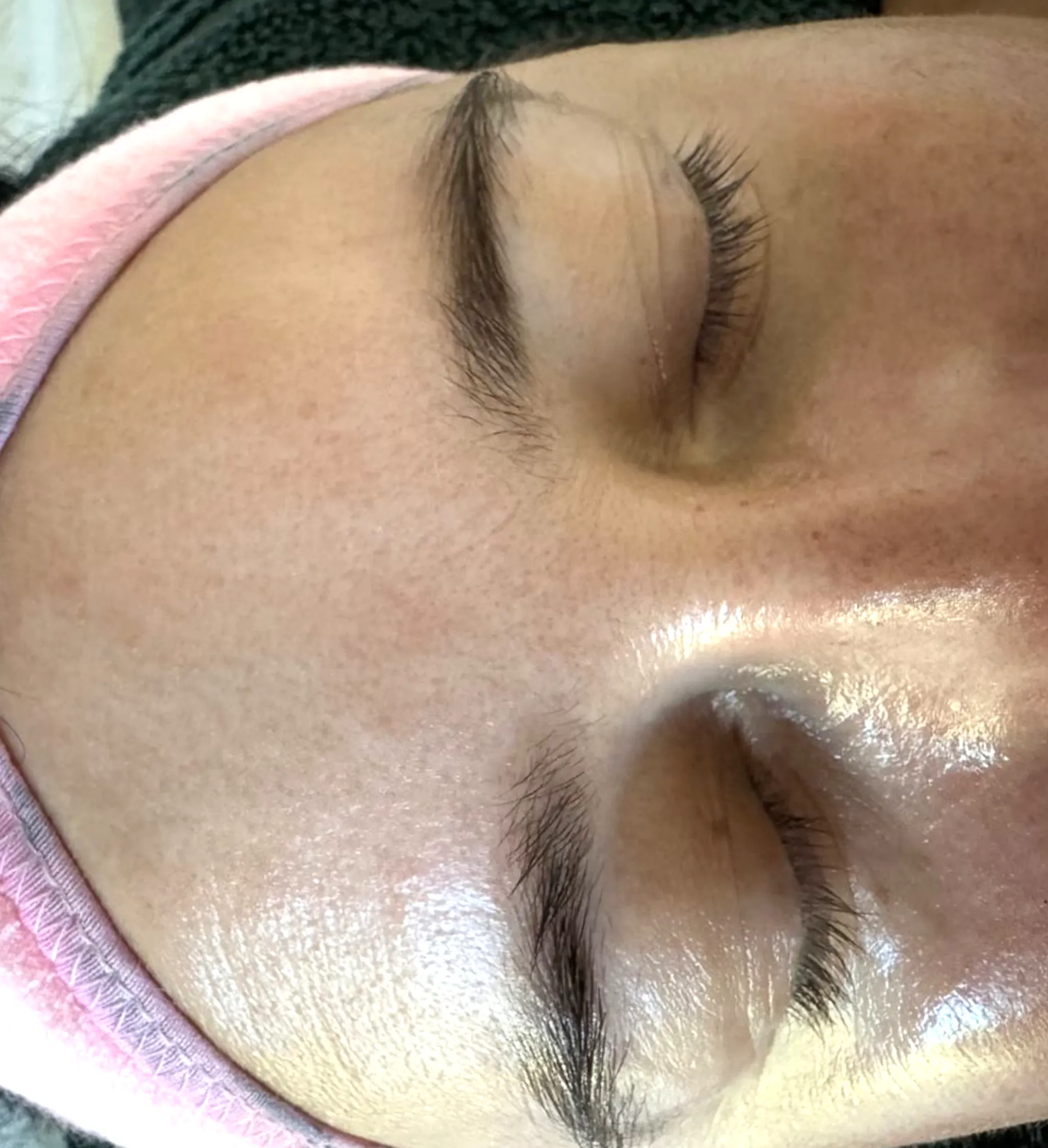
When someone tells me that they’re convinced their vitamin D supplements are making their skin darker, I have to say that I’m looking at a few other possible explanations:
- 1. Sunlight Exposure
- 2. Heat-Triggered Pigmentation
- 3. Inflammation & Skin Conditions
A lot of people underestimate how much incidental UV they’re getting in their daily lives – grocery runs, school pickups, waiting for coffee. Even clients coming in for skin needling in Brisbane are often surprised by how much sun damage can accumulate, even if they’re not realising it.
Heat can trigger pigmentation and melasma all on its own – something that Brisbane locals know all too well.
Anything from eczema to acne can leave behind post-inflammatory hyperpigmentation, especially in darker skin tones.
Again, vitamin D supplements are never the culprit.
What Actually Influences Skin Darkening?
| Trigger | Does it increase melanin? | Notes |
|---|---|---|
| UV light / UV radiation | Yes | UVB stimulates melanocytes, the primary cells responsible for tanning. |
| Sunlight exposure | Yes | Strongest in Australia due to high UV Index. |
| Heat | Indirectly | Worsens melasma and PIH. |
| Inflammation | Yes | Leads to pigmentation changes. |
| Vitamin D supplements (D2/D3) | No | No biological mechanism to darken skin tone. |
| Food sources of vitamin D | No | Diet does not affect pigmentation. |
This aligns with 2026 dermatology findings: vitamin D supports immune function, barrier repair, and healing — but not melanin activity.
What I See In Clinic: Real Client Experiences
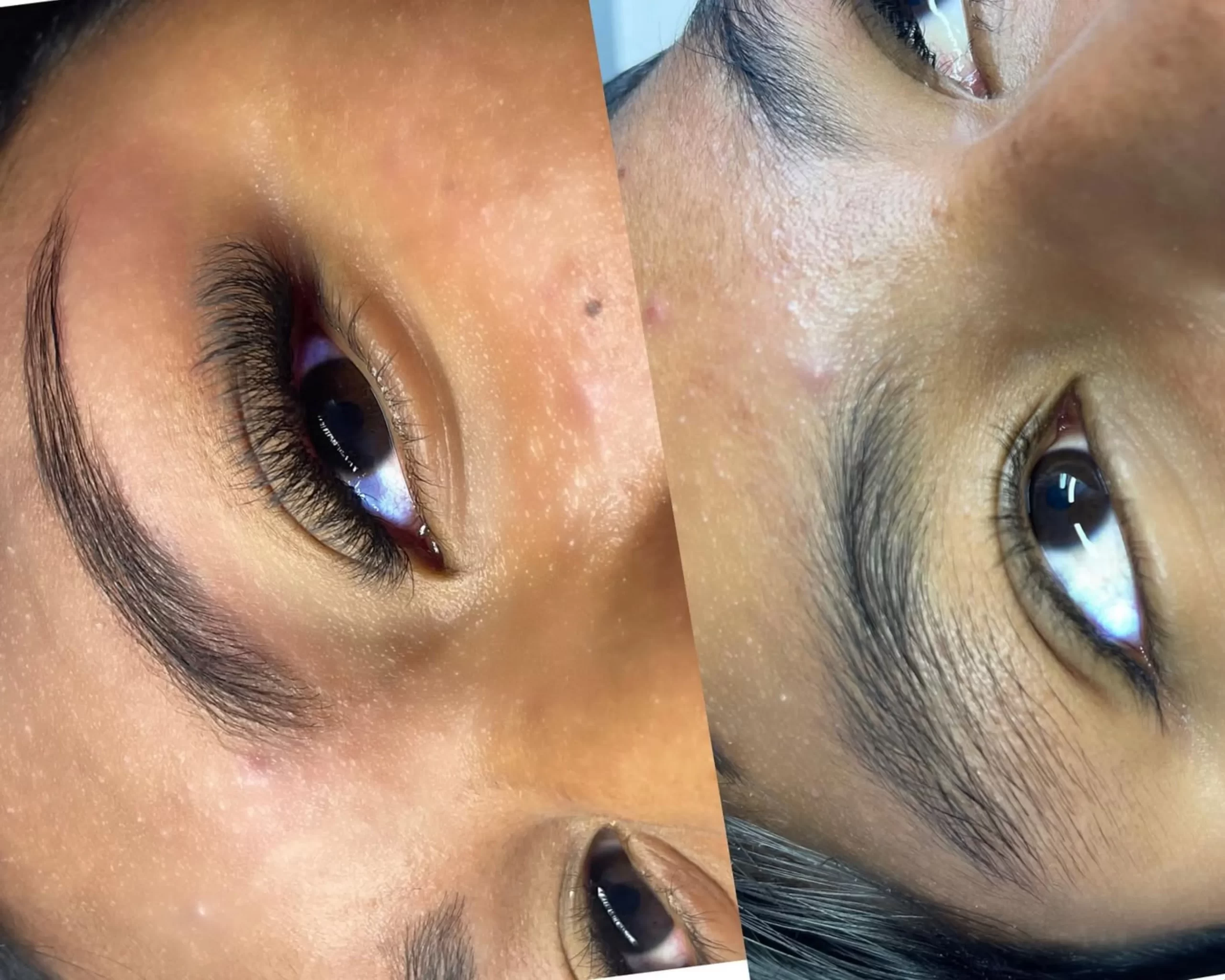
I had a client recently who was absolutely convinced that vitamin D was causing her cheeks to darken. As I went through her habits with her in our sessions here at The Facial Hub in Brisbane, it turned out the real culprit was her commitment to sunrise walks with no sunblock, the rising humidity and heat exposure – the kind of things we see a lot with our clients here.
I’ve seen it before: a client arrives thinking the problem is with their supplement, but it’s actually the combination of harsh at-home peels and mild UV exposure that’s causing the new pigmentation. Treatments like dermaplaning can help remove dead skin cells, but they also remind us how easily skin can become sensitised when it’s already being exposed to external factors. How To Keep Your Skin Safe If You’re Taking Vitamin D
And while vitamin D supplements won’t give you a darker tan, many of our clients do start taking them when the sun’s out, and that’s when you still need to have a skin protection plan in place.
My Top Rituals For Sun-Smart Skincare
- Apply a broad-spectrum sunscreen (at least SPF 30) every morning.
- Use the SunSmart app or check the Bureau of Meteorology’s UV alerts to plan your outdoor activities. SunSmart app or check out the UV alerts from the Bureau of Meteorology wisely.
- Don’t be without a broad-brimmed hat during peak UV hours – seek shade whenever possible.
- And while we’re at it, a good antioxidant cream can go a long way in helping to block UVA and UVB rays from damaging your skin.
- And don’t forget to keep up a healthy skin barrier with non-irritating, hydrating treatments.
Your melanin levels don’t depend on vitamin D; they depend on the sun.
Vitamin D Deficiency & Skin Appearance
This one’s a bit interesting – a vitamin D deficiency can make skin look dull, fragile or like it’s taking ages to heal, even when it’s got nothing to do with pigmentation.
You know, sometimes clients will mention to me how their skin looks during a session – like skin needling in Brisbane, for example, which is all about boosting cell turnover. And it just so happens that healthy vitamin D levels play a pretty significant role in all that.
When your vitamin D levels are low, your skin barrier works less efficiently, and that means you’re more likely to get dehydration, irritation and problems with wound healing. None of which will change your skin’s pigmentation, but they can make a significant difference in how it looks and behaves overall.
Who Should Be Extra Mindful About Pigmentation?
Spend any time doing skin therapy as I have, and you’ll see that certain groups are way more likely to get UV-triggered pigmentation going on:
- Anyone with a medium to dark skin tone
- People who get melasma
- Pregnant women or those going through hormonal shifts
- Anyone still struggling to get rid of acne or eczema
- People living in high-UV locations around Australia
Vitamin D’s pretty safe for all of these groups – but for goodness sake, don’t think you can slack off on sun protection.
My Bottom Line As A Skin Therapist
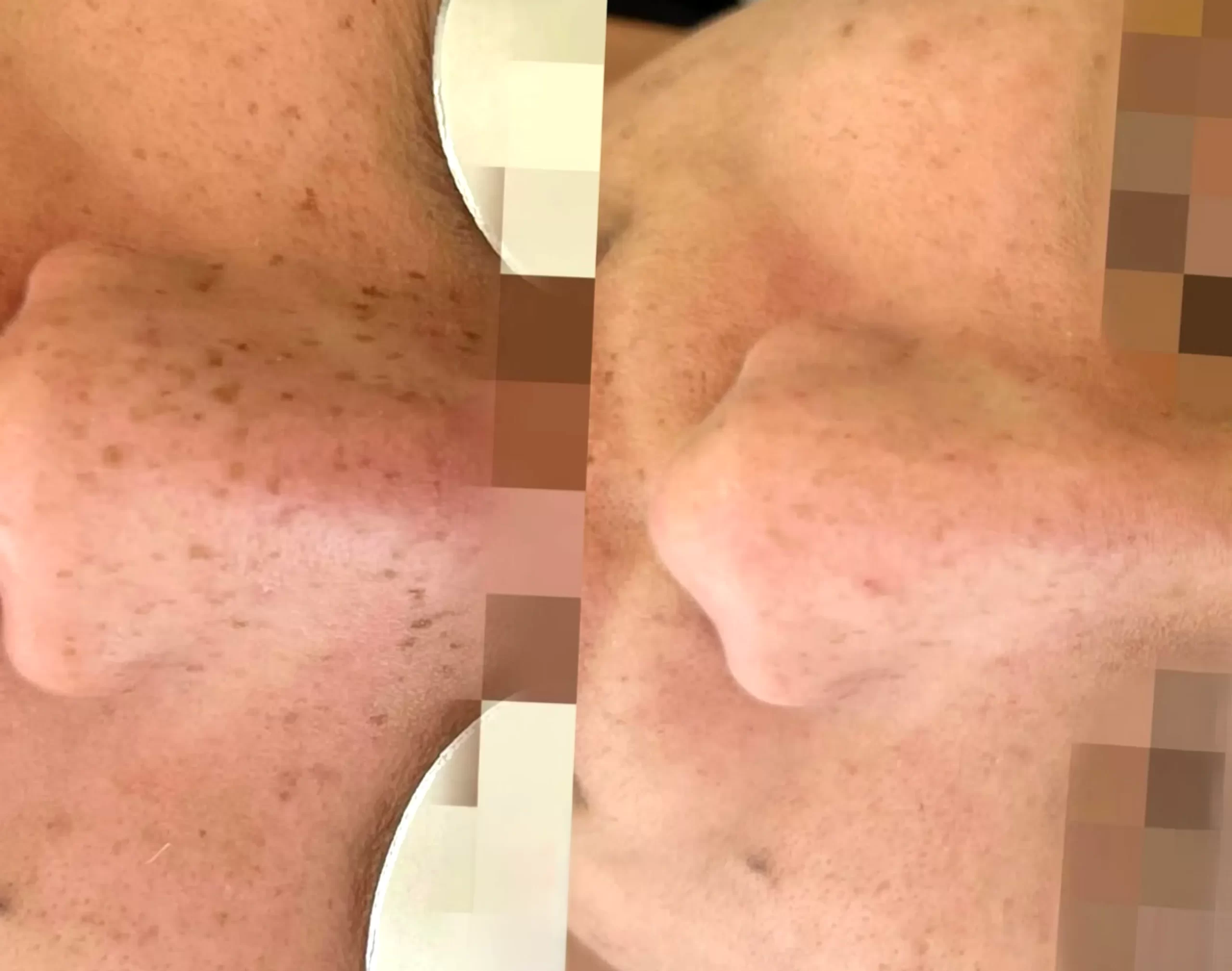
When someone asks me, “Will my skin get darker if I take vitamin D?”, my answer is always the same: No. Skin darkening is unrelated to vitamin D; UV exposure, heat, and inflammation are the primary causes. So if you’re noticing any changes in your skin tone, the chances are it’s something to do with what’s going on outside or with your hormones – not the supplement.
Little Invitation
Your skin is pretty clever at sending out signals when it needs some TLC – but, let’s be honest, sometimes those signs can be pretty hard to decipher. If you’re unsure whether these unusual pigmentation changes are due to UVB radiation, a compromised skin barrier, or general lifestyle factors, I’d be happy to help you figure it all out.
Visit The Facial Hub in Brisbane, where you’ll find a range of skin health treatments, whether you’re after dermaplaning, a soothing facial to unwind, or a post-summer skin detox. Together, we’ll take a thorough look at what’s happening beneath the surface and get your skin looking its natural best.
FAQ
Can vitamin D supplements give me darker skin?
Nope – they won’t have any effect on your melanin levels or how your skin interacts with UV light.
Why does my skin look darker since I started taking vitamin D?
More often than not, it’ll be because you’re spending more time out in the sun, getting hit with a higher UV Index, or dealing with some heat or inflammation – any of which can cause your skin to change colour.
Can a vitamin D deficiency mess with my skin?
Yeah – a deficiency can do some pretty interesting things to your skin – it can impact how well it heals after injuries, how strong your skin barrier is, and how well it resists aging – but not much to do with pigmentation.
Do foods like fatty fish or egg yolks cause me to have darker skin?
No way – the vitamin D you get from food doesn’t affect your melanin.
How do I keep my vitamin D levels topped up without getting a tan?
The safest way to do it is with broad-spectrum sunscreen, monitor UV levels with the SunSmart app, and stick with supplements instead of recklessly soaking up the sun.